
How Much Does a Mobile Mechanic Cost?
How much does a mobile mechanic cost in Dallas-Fort Worth? Rise High charges $150 for diagnostics and a $50 booking and travel fee for confirmed labor-only repairs.
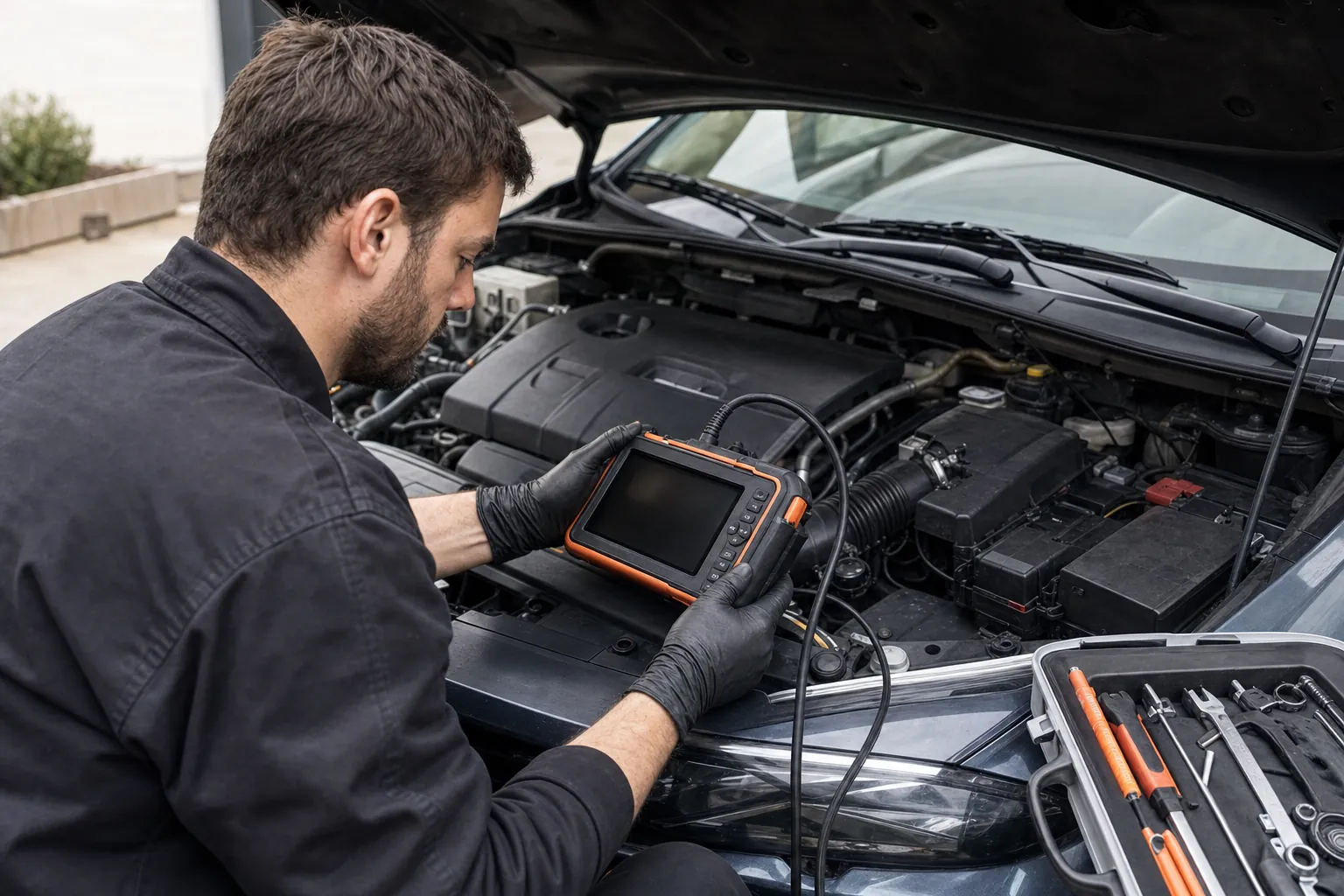
For Rise High, an on-site diagnostic visit is $150 total when the cause is not confirmed. When you already know the repair you need, a visit starts with a $50 booking and travel fee, then the quote covers labor for that specific job. Customers provide the approved parts. The final labor cost still depends on the vehicle, repair, and worksite, but knowing which visit fits your situation makes the first price much clearer.
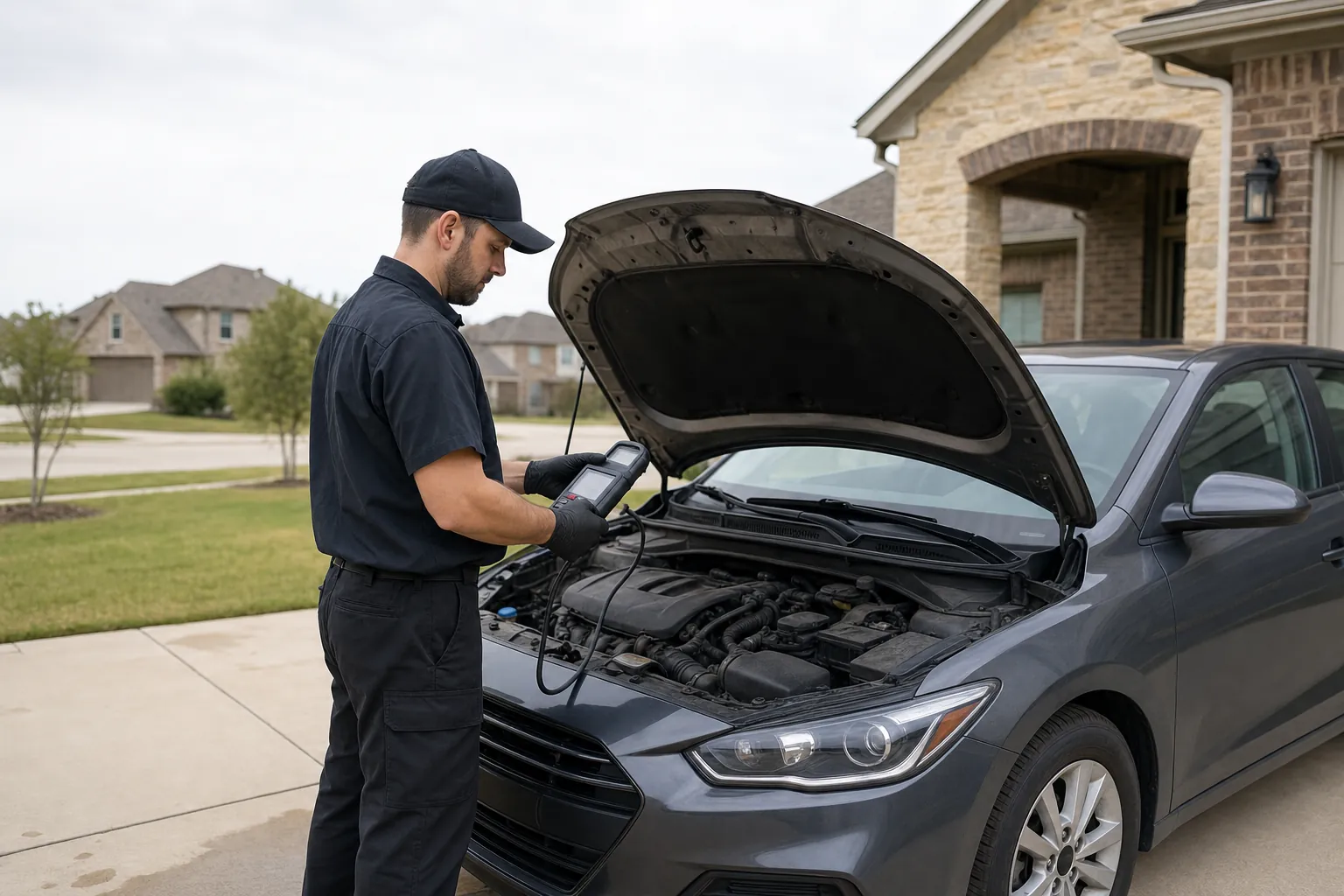
For Dallas-Fort Worth drivers, the biggest question is not just "What is the cheapest mechanic near me?" The better question is: "What will it cost to get this vehicle fixed without losing the day to towing, drop-off, pickup, and waiting-room roulette?" A mobile mechanic can be a strong value when the vehicle is stuck at home, at work, in an apartment lot, or on the roadside and the repair can safely be handled there.
Quick Answer
Expect a mobile mechanic quote to explain the diagnostic or visit fee, labor, any travel charge, and who provides the parts. Rise High lists a $150 diagnostic visit and a $50 repair visit booking and travel fee before labor for a confirmed repair. Customers provide approved parts.
What is included in mobile mechanic pricing?
A mobile mechanic is bringing the shop visit to your location, so the price has to cover more than hands-on repair time. A fair quote should explain the base visit, how diagnosis is billed, whether travel is included, what labor covers, who provides the parts, and what happens if the diagnosis changes the repair plan.
Most providers use one of two pricing structures. Open-ended work, warning lights, electrical problems, and no-start issues often start with diagnostic time because the real problem is not confirmed yet. Predictable repairs, such as brake pads, an alternator, a starter, or a battery replacement, may be quoted as a flat repair once the vehicle details and symptoms are clear.
For a Rise High quote, start with the VIN or license plate and U.S. state. After you choose the service in the app, the symptom, warning lights, recent repair history, and location help confirm the right visit. Without the right vehicle and symptom details, the quote is a guess wearing a nicer shirt.
Diagnostic fees are normal, and usually worth it
Drivers sometimes feel suspicious when a mechanic charges for diagnostics. The logic is understandable: if the repair has not started, why is there already a fee? The answer is that diagnosis is the work that prevents the wrong repair.
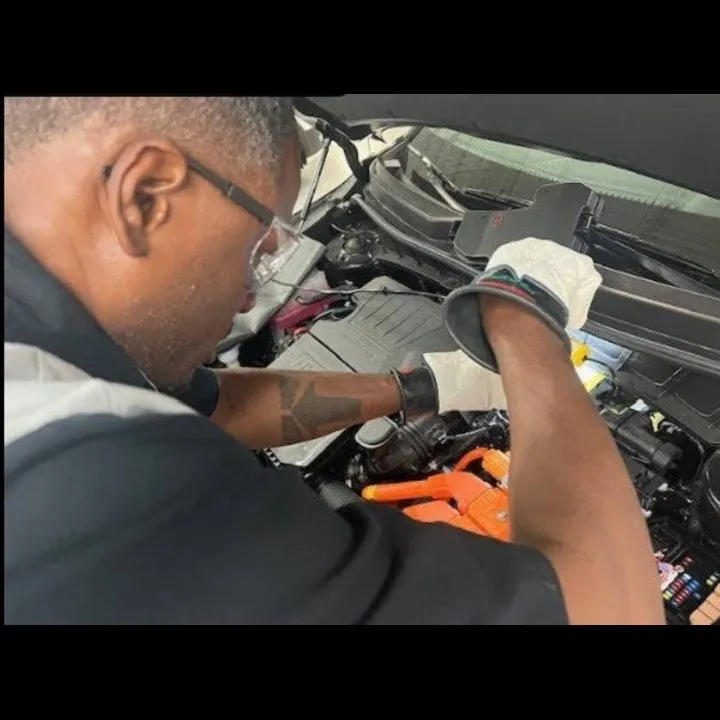
A proper diagnostic visit may include code scanning, live data checks, battery and charging tests, electrical checks, visual inspection, test procedures, and time spent proving whether a part has actually failed. A free code scan at a parts counter is not the same thing as diagnosis. A code points to a system. Diagnosis confirms the cause.
RepairPal's current estimator shows a general diagnosis averaging $122 to $179, before taxes and additional fees. Its check engine light diagnosis estimate ranges from $122 to $233. Those are shop-based ranges, but they give drivers a useful benchmark when judging mobile diagnostic fees.
Rise High lists a diagnostic visit at $150 total: a $50 non-refundable deposit to book, with the remaining $100 due when the diagnosis is complete. That puts the starting point in a normal professional diagnostic range while also making the appointment terms clear before anyone drives out.
What changes the final cost?
Two vehicles can have the same symptom and completely different invoices. A starter on one vehicle may be easy to access from the top of the engine bay. On another, it may be buried behind other components. A brake job in a flat driveway is not the same job as a brake job in a tight apartment garage with poor lighting and seized hardware.
The main labor cost drivers are labor time, vehicle design, travel distance, urgency, worksite access, and diagnostic uncertainty. Hybrids, luxury vehicles, European models, older vehicles with corrosion, and intermittent electrical problems can all require more time and care. Because Rise High provides labor only, the customer chooses and supplies the approved parts separately.
Texas drivers should also expect clear authorization before paid inspection, diagnosis, or repair work begins. The Texas Attorney General's car repair guidance advises consumers to get written authorization that describes inspection, testing, diagnosis, disassembly, charges, and whether parts may be removed before the work starts. That guidance applies just as strongly when the mechanic comes to you.
Fair pricing should feel specific
Vague pricing is where trouble starts. Ask what the fee covers, what is extra, and whether the mechanic will get approval before moving from diagnosis into repair.
Three pricing scenarios drivers actually face
Scenario one: the vehicle will not start, and nobody knows why. This should begin as a diagnostic visit, not a starter replacement, battery replacement, and alternator replacement all thrown at the car until something works. The mechanic needs to test the battery state, charging system, starter command, fuses, relays, grounds, and sometimes fuel or security systems. The first fair price is the diagnostic fee. The repair price comes after the failed system is confirmed.
Scenario two: the customer already has a clear repair need, such as front brake pads and rotors confirmed by inspection. This can often be quoted more directly because the work is defined. The labor quote should still say whether it covers one axle and what would happen if the caliper, hose, or hub condition changes the job. The customer provides the approved parts.
Scenario three: the car runs, but a warning light or intermittent issue keeps coming back. This is where cheap guesses get expensive. Intermittent faults may need more testing time because the mechanic has to catch the failure, not just read yesterday's code. Paying for careful diagnosis can feel slower at first, but it usually beats buying sensors that were never the problem.
How to keep the bill from growing unnecessarily
You cannot control every repair cost, but you can make the visit easier to price accurately. Start with the VIN or license plate and U.S. state, then explain the symptom in plain language after choosing the service in the app. Does it fail cold, hot, after rain, at highway speed, while braking, or only after sitting overnight? That context can save testing time.
Make the work area usable before the mechanic arrives. Park on flat ground if possible, leave room around the vehicle, make sure the keys are available, and tell the mechanic about parking rules, garage access, gate codes, or apartment restrictions. If the vehicle is in a risky spot, such as a shoulder, steep driveway, or cramped garage, say so early. Safety and access can affect whether the job can be done mobile at all.
Mobile mechanic vs. shop: which costs less?
Mobile service is not automatically cheaper than a repair shop, and any article that says otherwise is selling you a fairy tale in work boots. The real comparison is total cost and total disruption.
A shop may have a similar labor rate, but if the vehicle does not run, towing can become part of the bill. You may also spend time arranging rides, leaving the vehicle, waiting for the shop to inspect it, and returning later. Mobile service can remove those layers when the job is a fit for on-site repair.
Shops still win for certain jobs. If the repair needs a full lift, alignment equipment, heavy teardown, indoor conditions, or multi-day work, a shop may be more practical and sometimes cheaper. A trustworthy mobile mechanic will say that before you waste money on the wrong visit.
Common mobile mechanic jobs and how to think about price
For no-start problems, the first charge is often diagnostic because the cause could be the battery, starter, alternator, wiring, security system, fuel delivery, or something else. Paying for testing before buying parts usually protects your wallet.
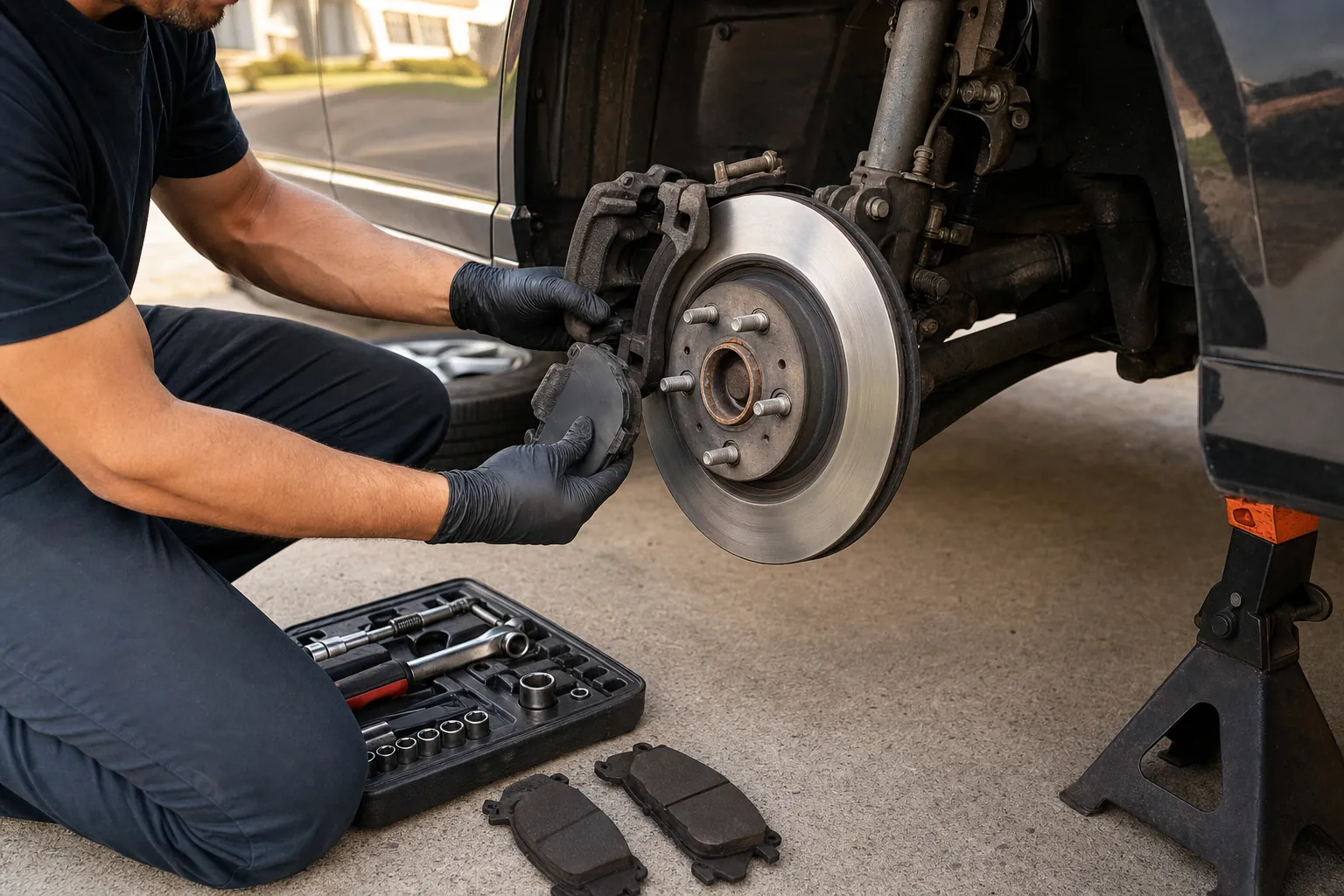
Brake repairs are more predictable once the vehicle and symptoms are known. Pads and rotors may be quoted more directly, but the final number can change if calipers, hardware, brake hoses, or seized bolts are involved. A quote should tell you whether it includes one axle or all four corners.
Battery, starter, and alternator labor often depends on access. A battery may be simple on one vehicle and require registration or additional steps on another. An alternator can be straightforward on one engine and miserable on the next. That is why the VIN or license plate and U.S. state matter when you start the request.
Suspension and steering repairs can also be good mobile jobs, but they need safe working conditions and the right access. Some follow-up work, such as an alignment, may still require a shop after the mobile repair is complete.
Questions to ask before booking
The best way to control cost is not to argue after the invoice. It is to ask better questions before the appointment. A fair mechanic should be able to explain the structure without getting weird about it.
- Is this a diagnostic visit, a repair visit, or both?
- What fee is due to schedule the appointment?
- Is travel included, or is there a separate call-out charge?
- Will I approve the labor quote before the repair starts?
- What happens if the diagnosis shows a different problem?
- Which approved parts do I need to provide for the repair?
- Does my worksite need flat ground, space, shade, lighting, or permission from the property?
How Rise High handles mobile mechanic costs
Rise High keeps the first pricing decision simple. If the problem needs inspection, testing, or troubleshooting, book a diagnostic visit. If the repair need is already known and confirmed, book a repair visit. Either way, the business can confirm whether the job fits mobile service before you commit to a full repair plan.
The listed diagnostic visit is $150 total, with a $50 deposit to book and $100 due when the diagnosis is complete. The listed repair visit has a $50 booking and travel fee, separate from labor. Customers provide the approved parts for the repair. That structure helps drivers avoid a mystery bill and gives the mechanic enough information to show up prepared.
Diagnostic Visit
$150 total
$50 non-refundable deposit to book. The remaining $100 is due when the diagnosis is complete.
Choose Your ServiceRepair Visit
$50 booking and travel fee
This secures the appointment and is separate from parts and repair labor.
Book a Repair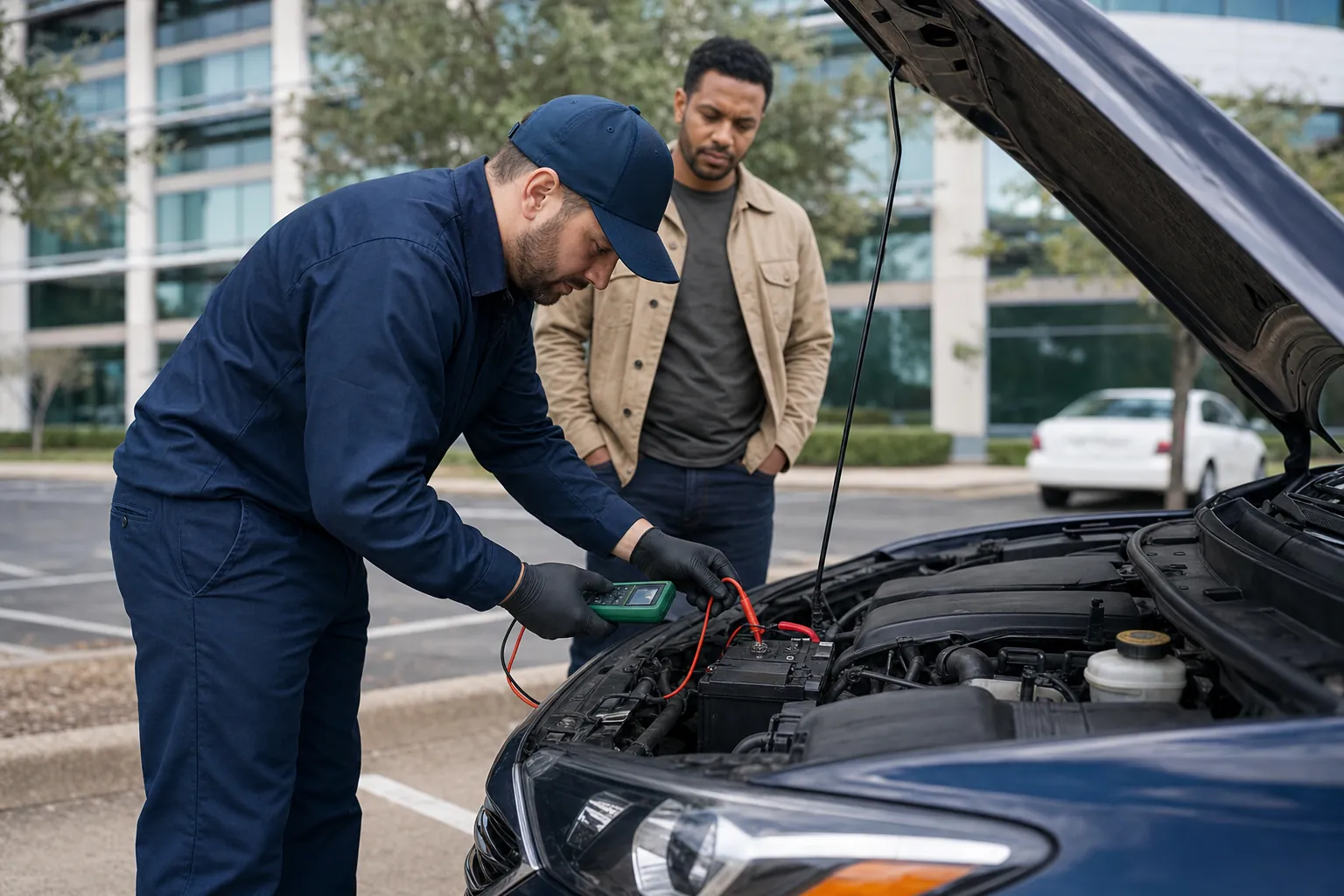
Red flags in a mobile mechanic quote
The lowest quote is not always the cheapest outcome. Watch for pricing that skips the diagnosis, refuses to explain fees, promises a repair before inspecting the vehicle, or will not say what happens if the first guess is wrong. Also be careful when a quote does not separate the customer-provided parts from labor, travel, taxes, or extra charges.
A good mobile mechanic can be direct without being vague. You should know what you are paying today, what could change, and when you get to approve the next step. That is not fancy customer service. That is the baseline.
Bottom line
A fair mobile mechanic labor cost depends on the vehicle, the symptom, the location, and whether the repair is truly mobile-friendly. For many DFW drivers, the value is avoiding a tow and getting a clear answer where the vehicle already sits. For the wrong job, a shop is still the smarter move.
If you are comparing options, start with clarity. Ask what the visit fee covers, what diagnosis costs, what labor is included, which approved parts you will provide, and whether the mechanic will confirm the repair before charging for it. A confident answer is usually a better sign than a suspiciously low number.
Frequently asked questions
Is a mobile mechanic cheaper than a repair shop?
Sometimes, especially when the vehicle would otherwise need a tow or when the repair can be handled in one visit. A shop can still be the better value for repairs that need a lift, indoor bay, alignment rack, or long teardown time.
Do mobile mechanics charge a travel fee?
Many mobile mechanics either charge a separate travel, call-out, or booking fee, or build travel into the labor price. Ask how the visit fee works before you approve the appointment so you can compare quotes fairly.
How much does Rise High charge for a mobile mechanic visit?
For an unclear problem, Rise High charges $150 total for an on-site diagnostic visit. For a confirmed repair, the visit starts with a $50 booking and travel fee, then Rise High quotes the labor for the specific vehicle and job. Customers provide the approved parts.
Should I pay for diagnostics before the repair?
Yes, when the problem is not already confirmed. Diagnostics are skilled work, and paying for a proper diagnosis is usually cheaper than replacing parts based on guesses.
What information helps me get a better estimate?
To start a quote, have the VIN or the license plate and U.S. state ready. After choosing the service in the Rise High app, share the symptoms, warning lights, location, and whether the vehicle starts or moves so the right visit can be confirmed.
Related posts
Need a price for your vehicle?
Select Quote in the Rise High app, then start with the VIN or license plate and U.S. state. You will get the right next step instead of a generic guess.