Mobile auto repair for Richardson drivers who need a practical next step
A car that will not start in an apartment lot, a warning light before a commute, brake noise after a day at work, or a battery issue in a parking garage can turn a normal schedule into a towing decision. Sometimes a tow is the right call. In other cases, the vehicle can be inspected and many repairs can be completed where it is already parked.
Rise High begins by matching the appointment to what is actually known. A confirmed battery replacement is a different visit from a no-start with an unknown cause. A repair for identified brake parts is different from a vibration that still needs to be traced. Share what the vehicle is doing, where it is parked, and what has already been checked so the next step is based on useful information rather than a guess.
When The Cause Is Unclear
Choose the $150 diagnostic visit for a no-start, warning light, electrical concern, unusual noise, or drivability problem that has not been confirmed.
When The Repair Is Known
For a confirmed mobile-friendly repair, share the vehicle and part details so Rise High can help decide whether a repair visit is the right next step.
On-site help when moving the vehicle is the hard part
Mobile service can be especially helpful when the vehicle is stuck where you need it. A dead battery, a single click with no crank, a charging concern, a check-engine light, or brake trouble can make a shop visit feel impossible before the fault is even clear. Rise High can inspect the vehicle at a safe Richardson location and help determine whether the right answer is an on-site repair, further testing, a part order, or a repair shop.
Rise High works on gasoline and hybrid passenger vehicles, including cars, SUVs, and light trucks. Common appointments include warning-light diagnostics, no-start conditions, battery testing and replacement, starter and alternator concerns, electrical faults, brake repairs, suspension and steering work, cooling-system repairs, and selected light to mid-level engine work. The exact vehicle, symptoms, repair, access, and work space still determine what can be handled on site.
- No-starts, weak batteries, terminal problems, starter concerns, and charging-system symptoms.
- Warning lights, intermittent electrical problems, and drivability concerns that need testing before parts are chosen.
- Brake noise, vibration, worn pads or rotors, caliper concerns, and other mobile-friendly brake repairs.
- Cooling, steering, suspension, sensor, ignition, and other repairs that can be handled safely on site.
- Clear direction to a shop when the vehicle needs a lift, deep teardown, programming, or a controlled work space.
Start with testing when the symptoms could point to more than one repair
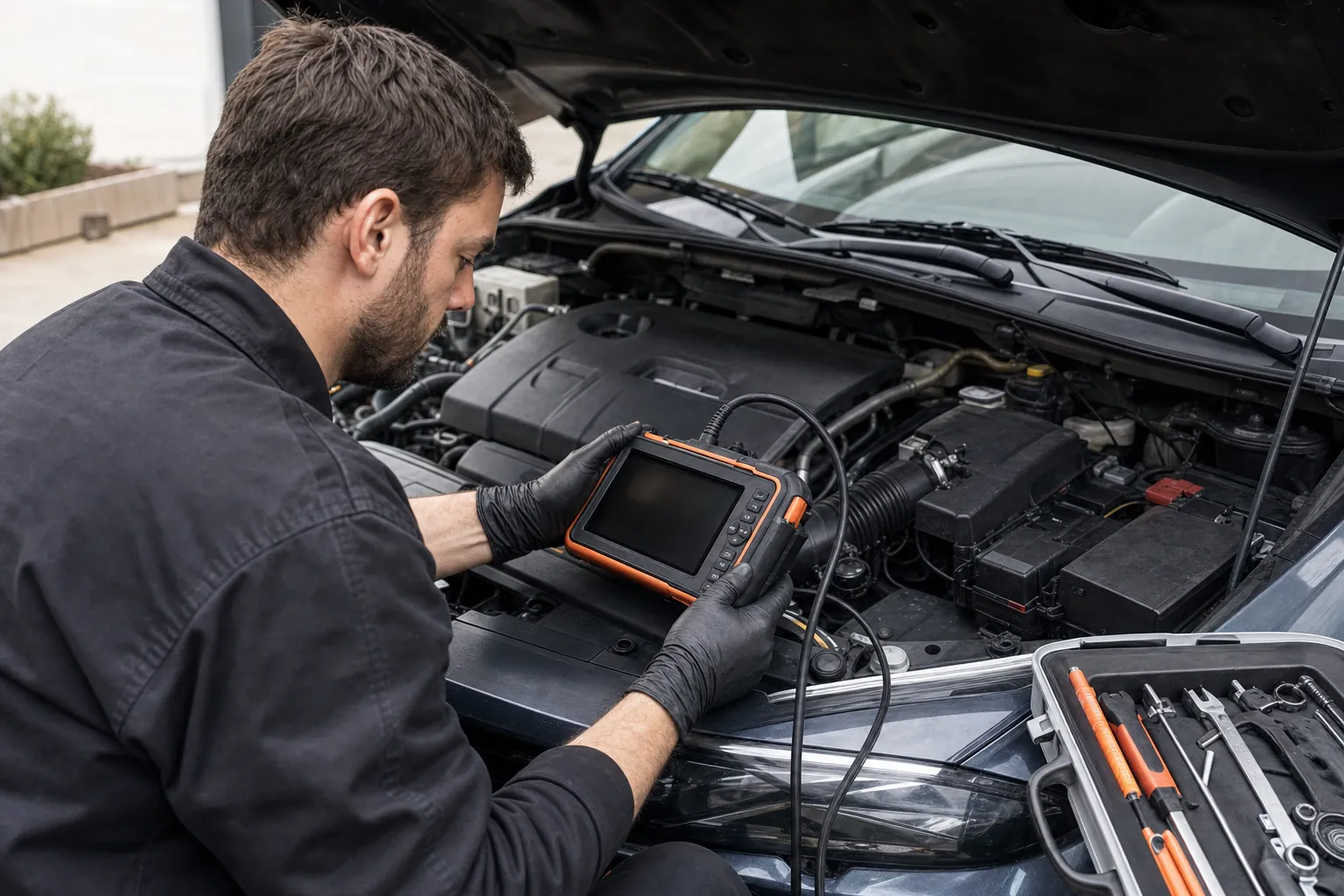
A no-start can look like a battery problem, but dash lights do not prove the battery is healthy. The issue may be a loose terminal, a weak cable, a starter circuit fault, a charging-system concern, a fuse or relay, or another electrical or engine-management problem. A battery light can involve the alternator, yet it can also relate to the belt, connections, battery, or another part of the charging system.
A diagnostic visit connects the symptom to the system that needs attention before money is spent on a guessed part. Rise High checks vehicle behavior and the relevant components, then explains the repair direction. That matters when the vehicle is parked in Richardson and you need to know whether it can be handled where it sits or should be moved to a shop for the next stage of repair.
Starting And Charging
Check the battery path, terminals, starter symptoms, and charging clues before deciding what the vehicle needs.
Vehicle Diagnostics
Use the warning, vehicle behavior, and related system checks to choose a repair direction instead of ordering parts on a guess.
Location Check
Confirm that the Richardson location has safe access, room to work, and a repair scope that makes sense for an on-site visit.
Richardson locations that can work for a mobile visit
Driveways, homes, apartment communities, workplace lots, and other accessible spaces can work well for mobile service. Rise High can discuss the exact location before booking, whether the vehicle is near CityLine, the Telecom Corridor, UT Dallas, Canyon Creek, Prairie Creek, downtown Richardson, Arapaho Road, Belt Line Road, Spring Valley Road, or another nearby part of the city.
Location details matter more than a specific neighborhood. The vehicle needs enough room around it, the property must allow service, and the repair needs to be safe for the setting. A tight garage, restricted workplace lot, busy roadside shoulder, steep incline, gated area without access, or crowded parking row may change what can be done. Sharing those details before the visit helps avoid an appointment that cannot produce the right repair.
Mobile-friendly repairs, with clear limits
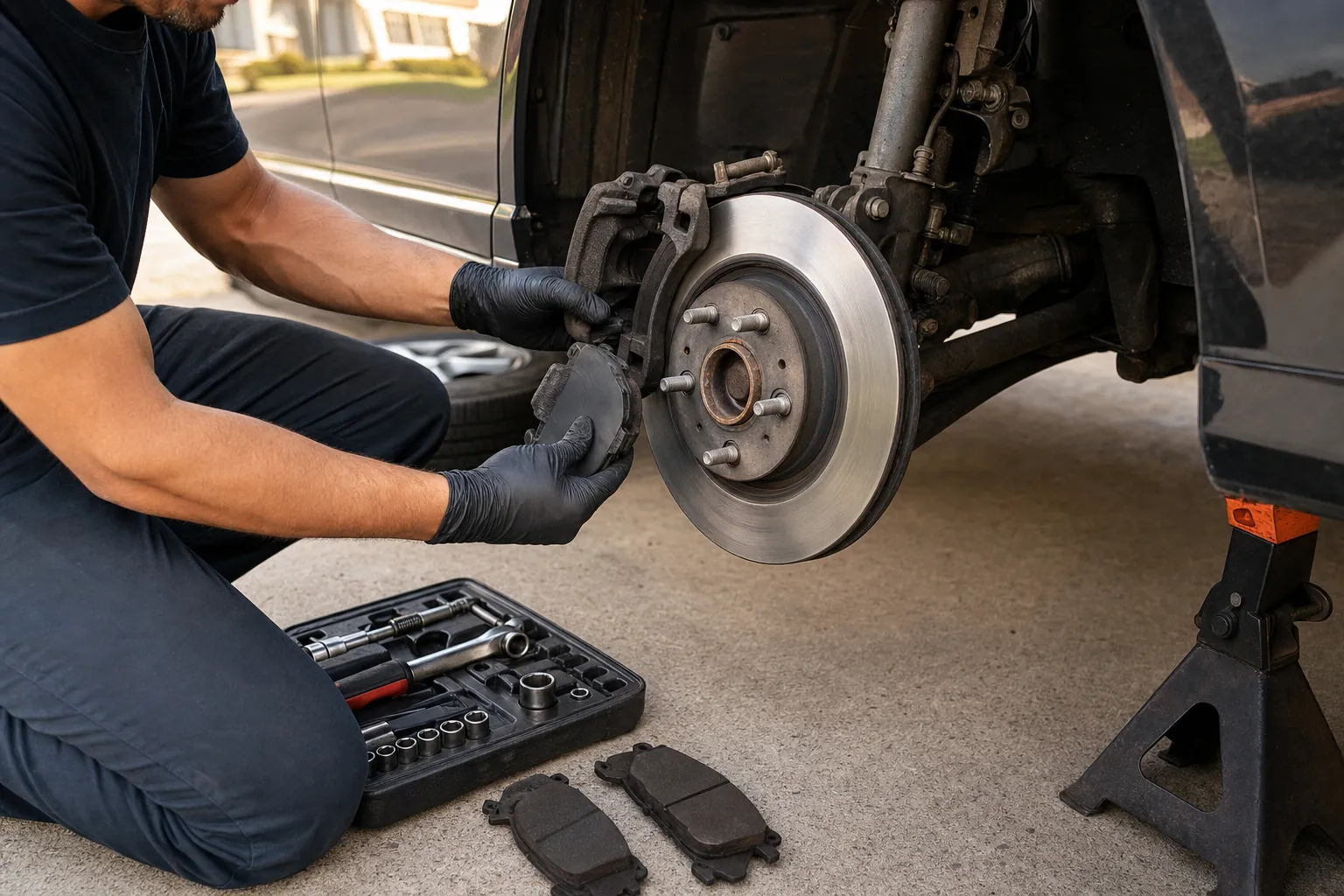
In Richardson, whether a known repair fits a mobile visit often comes down to the exact parking spot. A level driveway in Canyon Creek or Prairie Creek usually leaves the most room for brake work, starter or alternator replacement, cooling repairs, and suspension parts. A surface lot at a Telecom Corridor office campus can suit a battery, sensor, or brake job when the property allows repairs. Parking garages around CityLine and some apartment lots near UT Dallas are tighter. Low ceilings, narrow stalls, and sloped ramps can rule out jacking the car, so a battery replacement or a diagnosis may fit there when a brake or suspension job does not. Rise High confirms the vehicle details, symptoms, parts, and exact spot before treating any repair as a guaranteed on-site job.
Some work still belongs in a shop, however convenient the parking spot is. Jobs that need a lift, major disassembly, alignment equipment, specialized programming, extensive wiring repair, or a controlled indoor setting are better handled at a repair shop. If a car stalls or starts grinding its brakes in stop-and-go traffic on Central Expressway (US-75) or the President George Bush Turnpike, do not plan a repair on the shoulder. Highway shoulders are not safe work areas, so get the vehicle towed or moved to a safe lot first. Rise High will say so when a job does not fit a Richardson parking space instead of forcing a shop-level repair into one.
What to have ready before you call or text
Richardson visits go smoothest when the location is described as clearly as the car. Give the year, make, model, and symptoms, then say exactly where the vehicle sits: the office building and garage level on a Telecom Corridor campus, the CityLine garage and row, the apartment community and building near UT Dallas, or the street address in Canyon Creek, Prairie Creek, or another neighborhood. Mention whether the car starts or drives, which warning lights are on, and any recent diagnosis or repair. For a no-start, say whether you hear rapid clicking, one solid click, or nothing, whether the engine cranks, and whether a jump-start changed anything.
Then cover what the property allows. Many office campuses need security or facilities approval before repair work in the employee garage, so ask before booking. Apartment communities near UT Dallas may limit repairs to certain spaces or ask that the leasing office know first. Some neighborhoods have HOA rules about repairs in driveways or on the street, and covered or structured parking may have a low ceiling that rules out jacking the car. If the problem started on US-75 or the George Bush Turnpike and the vehicle is now in a lot off Campbell, Arapaho, or Belt Line Road, say which lot and whether you can stay with the car. Those details help Rise High recommend diagnostics or a confirmed repair visit that can actually be finished where the car is parked.
Mobile mechanic help across Richardson and DFW
Rise High serves Richardson as part of its Dallas-Fort Worth service area. For a known mobile-friendly repair, on-site work can save the coordination of a tow and a shop wait. For a warning light, recurring battery issue, no-start, unfamiliar noise, or electrical concern, a diagnostic visit gives you a clearer repair path before money is spent on a guess.
Call, text, or choose the right service with the vehicle details and current location. Rise High will help you decide whether testing or a confirmed repair visit makes sense, then give you a direct next step for the vehicle.
Car help in Richardson and the Telecom Corridor
Richardson is crossed by Central Expressway (US-75) and the President George Bush Turnpike, with Campbell, Arapaho, and Belt Line roads carrying local traffic. Rush-hour congestion on US-75 wears brakes and makes weak batteries and charging problems show up sooner.
Many Richardson drivers work at office campuses in the Telecom Corridor and around CityLine. Those properties may have parking rules, so check whether vehicle repairs are allowed in the employee garage or lot. Students near UT Dallas can book a visit in an apartment lot that allows repairs.
Richardson service is diagnostic-first. When a warning light comes on or the car will not start, testing the cause on site comes before any part is replaced.
Richardson questions
Can you work on my car at my Richardson office?
Often, yes, if the property allows repairs and the vehicle is in a safe, accessible spot. Check with building security or property management first.
Do you come to UT Dallas area apartments?
Yes, when the apartment community allows vehicle repairs in its lot. Book through the Rise High app.
Frequently asked questions
Do you provide mobile mechanic service in Richardson?
Rise High can meet vehicles at many Richardson homes, apartment communities, workplaces, and accessible parking areas when the repair and work space are a safe fit for mobile service.
What should I book for a Richardson no-start?
Book a diagnostic visit when the cause is not confirmed. A no-start can involve the battery, connections, starter, charging system, fuses, relays, wiring, fuel, ignition, or another fault.
Can a mechanic come to my workplace or apartment in Richardson?
Many workplace and apartment locations can work when service is permitted, there is room around the vehicle, and the repair is safe to complete on site. Share the exact location and access details before booking so Rise High can confirm the fit.
How much does a diagnostic visit cost?
A diagnostic visit is $150 total, with a $50 non-refundable deposit to book and the remaining $100 due when the diagnosis is complete. For a confirmed repair, the booking and travel fee is $50, separate from parts and repair labor.
When is a repair shop the better choice?
A repair shop is the better choice when the vehicle needs lift access, major teardown, extensive wiring repair, specialized programming, alignment equipment, or a controlled indoor work space. Rise High will be direct when mobile service is not the right fit.