Car Won't Start in Cold Weather? What to Check First
Cold weather can expose a weak battery or starting-system problem. Learn what to notice, what to avoid, and when Dallas-Fort Worth mobile diagnostics are the right next step.
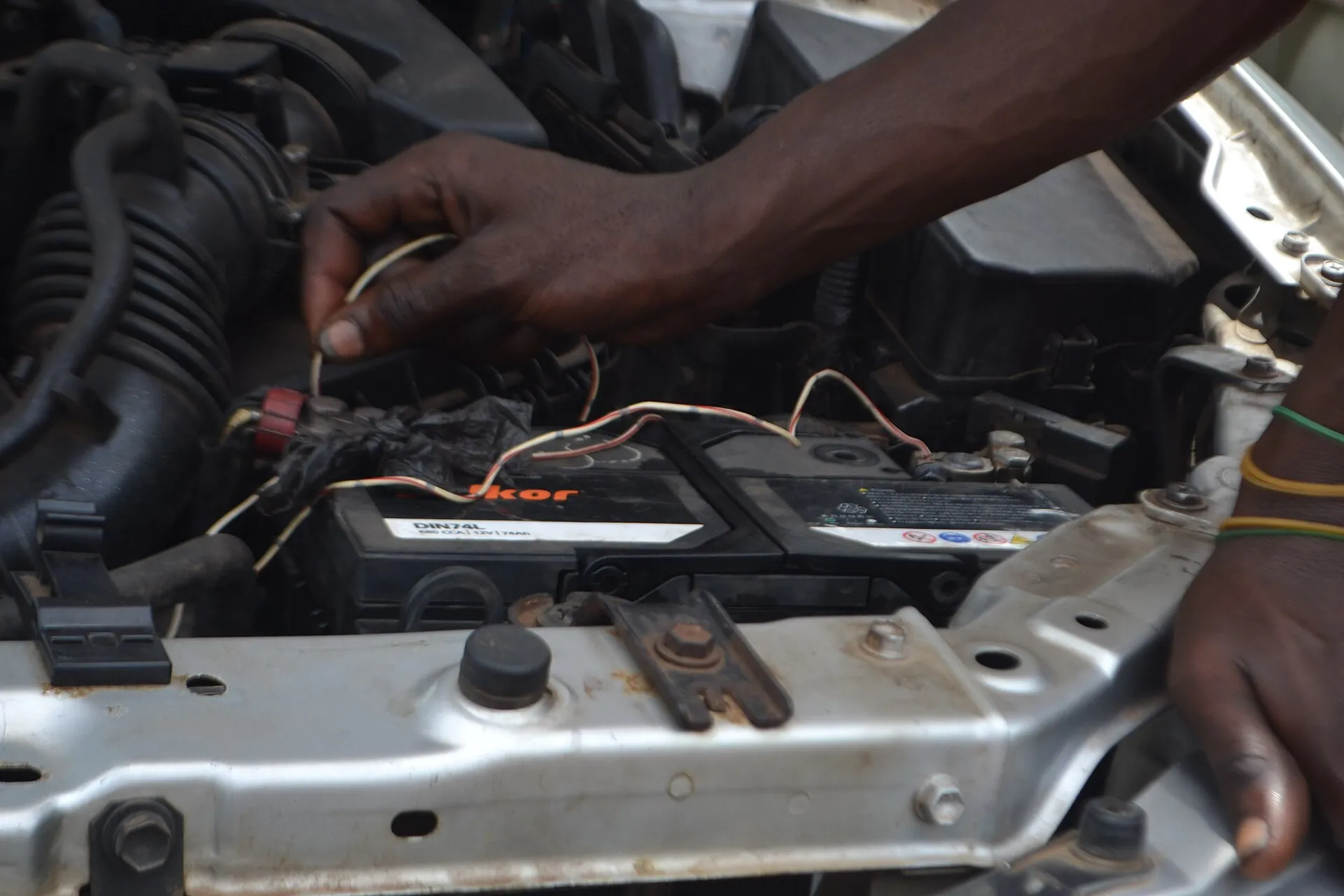
A car that started normally last week can struggle on the first truly cold morning. That does not automatically mean you need a new battery, a starter, or any other part. Cold weather puts extra demand on the starting system, and it often exposes a weakness that was already there. The useful first move is to notice exactly what the vehicle does before making a parts decision.
For a Dallas-Fort Worth driver, the temperature may not stay below freezing for long, but a sudden cold snap can still reveal a marginal battery, poor battery connection, charging problem, starter-circuit issue, or a separate no-start fault. If the car is safely parked, take one calm look at the symptom. Does it stay quiet, make rapid clicks, crank slowly, crank normally without firing, or start and immediately stall? Those are different problems with different next steps.
Quick Answer
Cold weather can reduce available battery power while the engine needs more effort to start. Note whether the car is silent, clicking, slow-cranking, or cranking normally, then choose diagnostics when the cause is not confirmed.
Why cold weather can reveal a starting problem
A vehicle starts by asking the battery, cables, grounds, controls, and starter to work together under a heavy load. Lower temperatures can make that moment harder. The National Highway Traffic Safety Administration notes that gasoline engines need more battery power to start in cold weather, while the available battery power drops as temperatures fall. That is why a battery that seemed acceptable during warmer weather can struggle when a cold morning arrives.
Cold weather is not a diagnosis by itself. It is a condition that can uncover a problem. A battery may be weak, undercharged, or connected through a loose or corroded terminal. A charging system may not be restoring the battery properly after driving. The starter command, relay, fuse, ground path, or Park or Neutral recognition may be involved. If the engine cranks at a normal speed but never starts, the starter has already done its job and the test path moves toward fuel, spark, air, sensor data, security authorization, or another engine-management concern.
That distinction matters because a cold morning is a poor reason to buy a part on a guess. The right repair follows the fault, not the weather forecast.
Cold weather is a stress test, not a verdict
The temperature can make an existing weakness easier to notice. A proper test separates a tired battery or connection from a starter, charging, or engine-running problem.
Start with the sound and motion, not a theory
Use the first start attempt as an observation. Do not hold the key or button for a long time. Turn off accessories you can safely turn off, make sure the vehicle is in Park, and press the brake or clutch as the vehicle requires. Then listen and watch.
Nothing happens, or there is one solid click: The engine is not turning. Check for a key, security, or warning message and note whether the interior lights dim. The battery path, terminals, ground, fuse, relay, starter command, park/neutral switch, brake switch, ignition system, or security system may need testing. A single click does not confirm a bad starter.
Rapid clicking or slow cranking: This pattern can point to limited available power at the starter or resistance in a cable or connection. A weak or undercharged battery is one possibility, especially if the lights dim sharply. But the condition of the terminals, ground path, and charging system still matters. Our guide to a car that clicks but will not start explains why the exact sound is more useful than calling every click a starter failure.
Normal cranking, but the engine will not start: The engine is rotating, so the issue is not simply that the starter cannot turn it. Avoid buying a battery or starter based on the temperature alone. Read the guide for a car that cranks but will not start for the observations that matter in this different situation.
It starts, then immediately stalls: Notice how long it runs, whether a warning light appears, and whether it only stays running when the accelerator is pressed. This can involve a different system from a no-crank problem. A car that starts and then dies needs its own diagnostic path.
Safe checks before you request help
You do not need to diagnose the vehicle yourself. A few safe details can make the next step more efficient. First, make sure the vehicle is in a safe place. If it is on an active roadway, in an unsafe parking area, or where there is no room to work, roadside assistance or a tow is the better first decision. Do not try to work around traffic or poor visibility.
Look, do not dismantle. If the battery case is cracked, swollen, leaking, or visibly frozen, do not attempt to jump-start it or attach a charger. If a terminal is loose, heavily corroded, or damaged, avoid repeatedly trying to start the car. Take a clear photo of any warning light or message before it disappears. Note whether the vehicle was driven normally the day before, sat unused for several days, had recent battery or alternator work, or needed a jump-start recently.
The NHTSA recommends having the battery, charging system, belts, and other needed repairs checked before winter driving. Their winter driving guidance also advises keeping basic emergency supplies, including jumper cables and a phone charger, in the vehicle. That is preparation, not proof of which part has failed.
- Record whether the engine is silent, clicking, cranking slowly, or cranking normally.
- Photograph any battery, security, key, or warning message after the car is safely parked.
- Note the last normal drive, recent jump-starts, and any recent repair work.
- Confirm the vehicle location, access, and whether there is safe working room around it.
- Have the VIN or the license plate and U.S. state ready for accurate vehicle identification.
When a jump-start is useful, and when to stop
A jump-start can be a reasonable step only when the battery and cables appear undamaged, the owner’s manual allows it, and the work area is safe. Follow the vehicle manufacturer’s instructions, because connection points and procedures vary. Do not improvise by bridging terminals, bypassing fuses, or using a charger on a visibly damaged battery.
Think of the result as evidence. If the vehicle starts after a jump, observe whether it stays running, whether the battery warning light remains on, and whether the same no-start returns later. A jump can help identify a low-power situation, but it cannot prove that the battery itself is the only fault. A weak connection, an undercharging alternator, an electrical draw while parked, or a separate issue can create the same repeat pattern.
Stop repeated attempts if the engine cranks slowly, the lights dim hard, there is a burning smell, smoke, leaking fluid, damaged battery housing, or an unsafe location. The American Automobile Association also stresses that jump-starting should not be attempted where traffic, darkness, or visibility makes the work unsafe. Safety comes before getting the car moving quickly.
What a cold-weather no-start diagnosis should test
A proper diagnosis begins with your exact symptom, then tests the system that matches it. For a no-crank condition, that may include battery state and load performance, terminal fit, cable condition, voltage drop, grounds, fuses, relays, starter command, and charging-system output. For a normal-crank/no-start condition, the technician follows a different path because the starting motor has already turned the engine.
This approach prevents a common and expensive mistake: replacing the part that seems most likely instead of confirming the one that failed. A new battery does not fix a poor ground. A starter does not solve an engine that cranks normally but lacks fuel or ignition. A cold day may be the moment the symptom appears, but the test still needs to find the actual cause.
Rise High's on-site diagnostic visit is $150 total when the reason for the problem is unknown, with a $50 non-refundable deposit to book. The diagnostic visit is for confirming the fault. A repair visit is appropriate after the issue is identified and the work can be completed safely at the vehicle's location.
Do not turn a cold morning into a parts order
If the cause is unknown, diagnostics protect you from paying for a battery, starter, or other part that does not address the reason the car will not start.
How to reduce the chance of the next cold-morning surprise
Prevention starts before the first difficult start. If the battery is more than a few years old, the car has been slow to crank, the lights have dimmed during starting, or the vehicle has needed recent boosts, schedule a battery and charging-system test. AAA recommends testing the battery and charging system when a vehicle has shown cold-start trouble, rather than waiting for the next freeze.
Regular driving helps, but repeated short trips may not fully restore the energy used to start the engine. Keep battery terminals clean and secure, follow the oil grade in your owner’s manual, and address a battery warning light or changing starting behavior early. If the vehicle will sit for an extended period, use the manufacturer-recommended storage or battery-maintenance approach instead of guessing.
Also keep the answer from the last cold start. A note that says “two rapid clicks at 34°F, then started after a jump” is far more useful than “it would not start.” If the behavior happens only after the car sits overnight, mention that too. Pattern, temperature, and sound give a technician a much cleaner place to begin.
For gasoline and hybrid passenger vehicles, the goal is simple: catch a developing starting or charging problem before it becomes a stranded-car problem. If the concern is recurring, one test that produces a clear answer from a qualified technician is more useful than another temporary boost.
How Rise High helps with cold-weather no-starts
Rise High Mobile Mechanics provides diagnostic-first help for Dallas-Fort Worth drivers with no-starts, battery and charging concerns, starter symptoms, warning lights, and selected electrical repairs on gasoline and hybrid passenger vehicles. The focus is to identify why the vehicle will not start before anyone recommends a repair.
If the vehicle is safely parked at home, work, an apartment, or an accessible parking area, start by choosing the service you need in the Rise High app. Select a diagnostic visit when the cause is unknown. Once testing confirms a mobile-friendly repair, the next repair step can be planned with clear information instead of a cold-weather guess. The appointment process explains what to have ready before the visit.
Get a Cold-Weather No-Start Checked Where It Sits
Choose diagnostics in the app when the cause is unknown. Have the vehicle details, location, and the exact starting symptom ready.
Frequently asked questions
Why won't my car start when it is cold outside?
Cold weather asks more of the starting system while reducing the available battery power. A weak battery, loose or corroded connection, charging-system problem, starter-circuit fault, or an engine issue can become more noticeable on a cold morning. The sound and motion when you try to start it help determine the right test.
Will a jump-start fix a cold-weather no-start?
A safe jump-start can be useful information, but it does not prove the battery is the only problem. If the vehicle starts, note whether it stays running and whether the same issue returns. A battery that repeatedly needs a jump, or a car that dies after a jump, needs testing rather than repeated boosts.
Can I keep trying to start a car in cold weather?
Avoid long or repeated cranking attempts. They can drain a weak battery further and hide the original symptom. Try to start the vehicle once, note what happens, and follow the owner’s manual if you decide a jump-start is safe and appropriate.
Do I need diagnostics or a repair appointment?
Choose diagnostics when the reason for the no-start is not confirmed. A repair appointment is the better fit after testing identifies the failed part and confirms the repair can be completed safely where the vehicle is parked.
Related posts
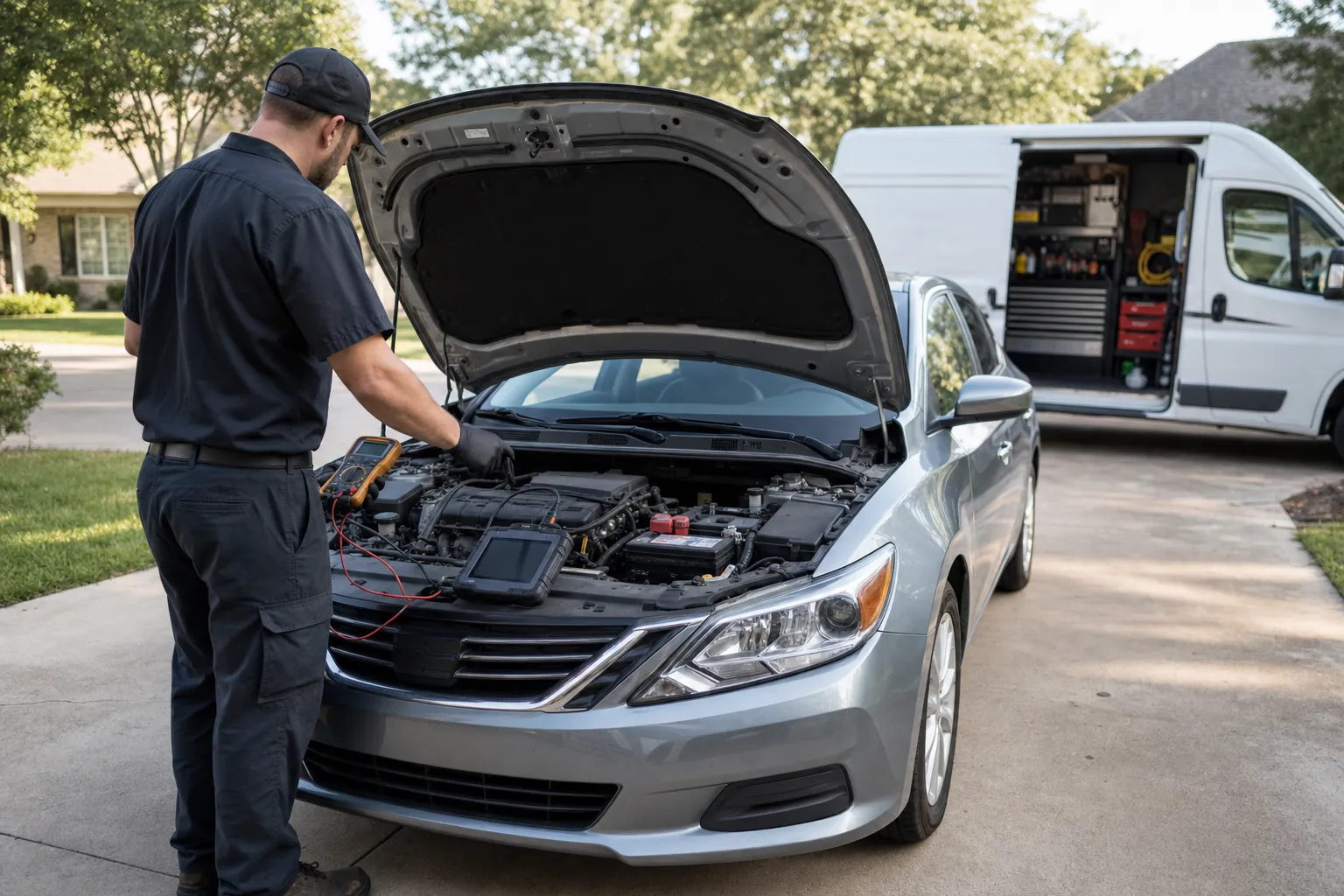
Car Won't Start but Battery Is Good? Next Steps
What to check when your car will not start but the battery seems good, plus when Dallas-Fort Worth drivers should book mobile diagnostics.
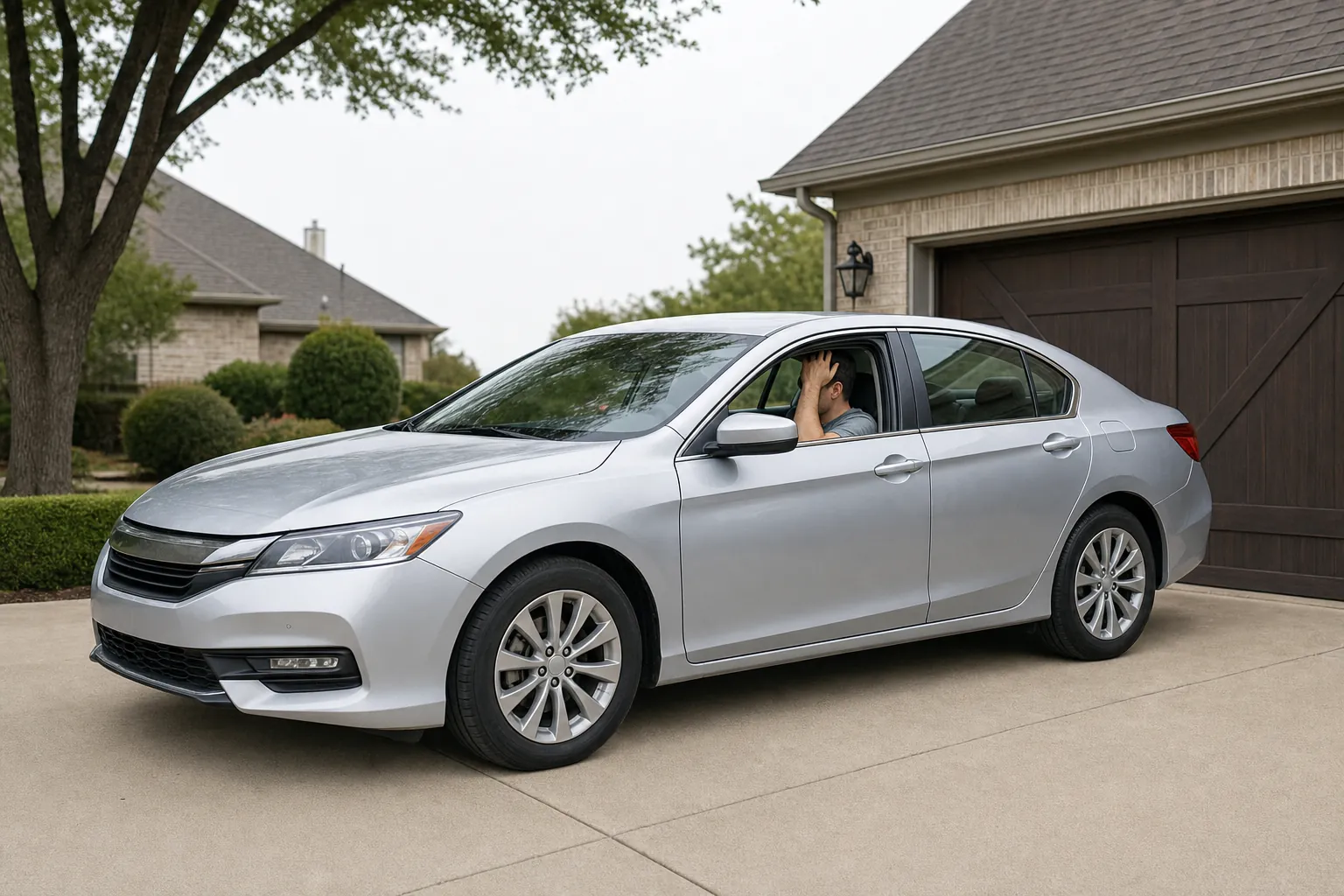
Car Clicks but Won't Start? What to Check First
Car clicking but not starting? Learn the safe first checks, why a bad starter is not certain, and when to choose $150 on-site diagnostics.
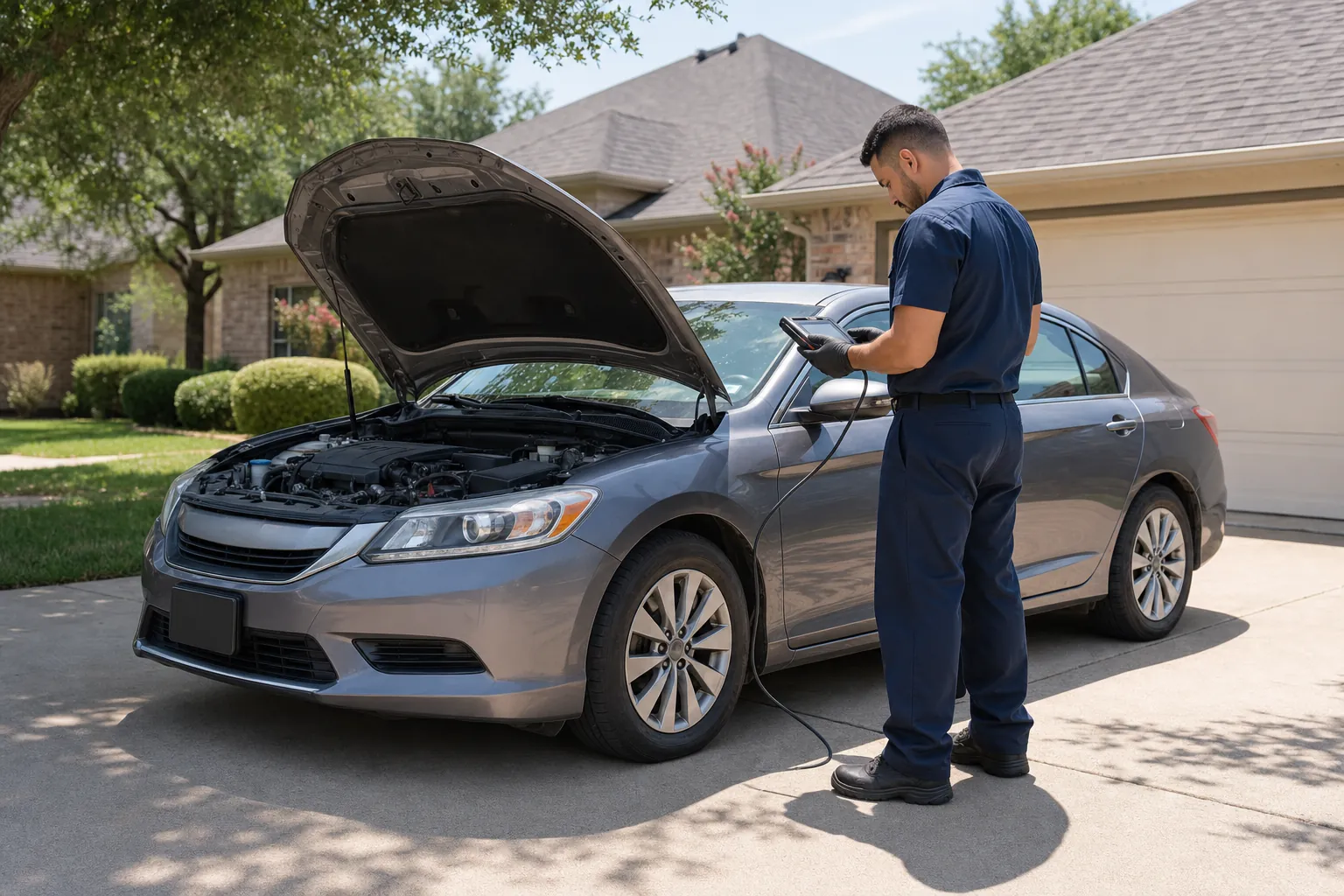
Car Cranks but Won't Start? Do This First
If your car cranks but will not start, stop repeated attempts, note the symptom, and choose diagnostics before buying a starter, battery, or fuel part.
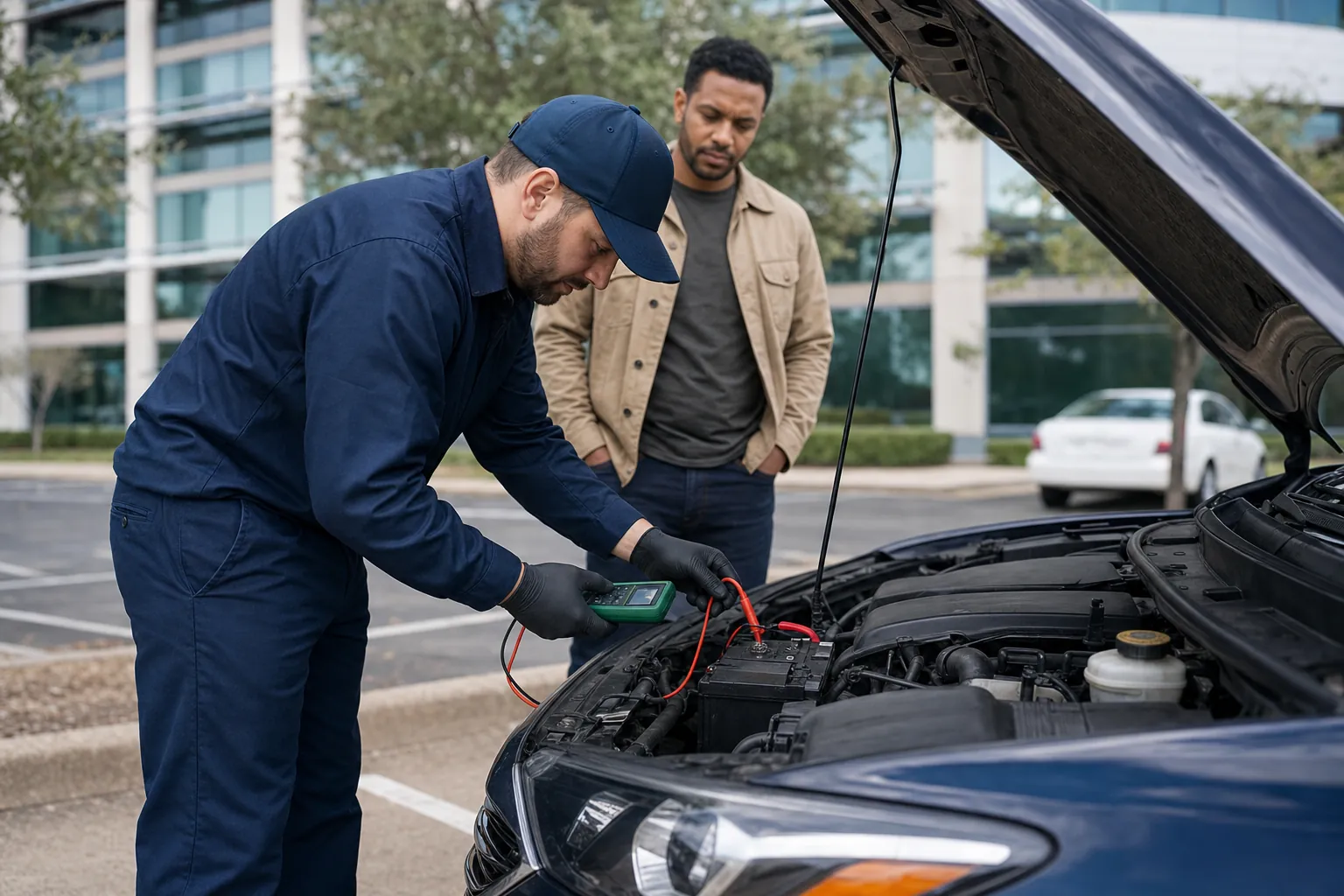
Car Won't Start but Lights Work? What to Do First
If your car will not start but the lights work, do not assume the battery is fine. Learn what the symptom means, what to note, and when to book diagnostics.