Car Won't Start After Getting Gas? What to Check
A car that will not start after getting gas can be a coincidence or a fuel-vapor issue. Learn what to note, what not to do, and when diagnostics make sense.
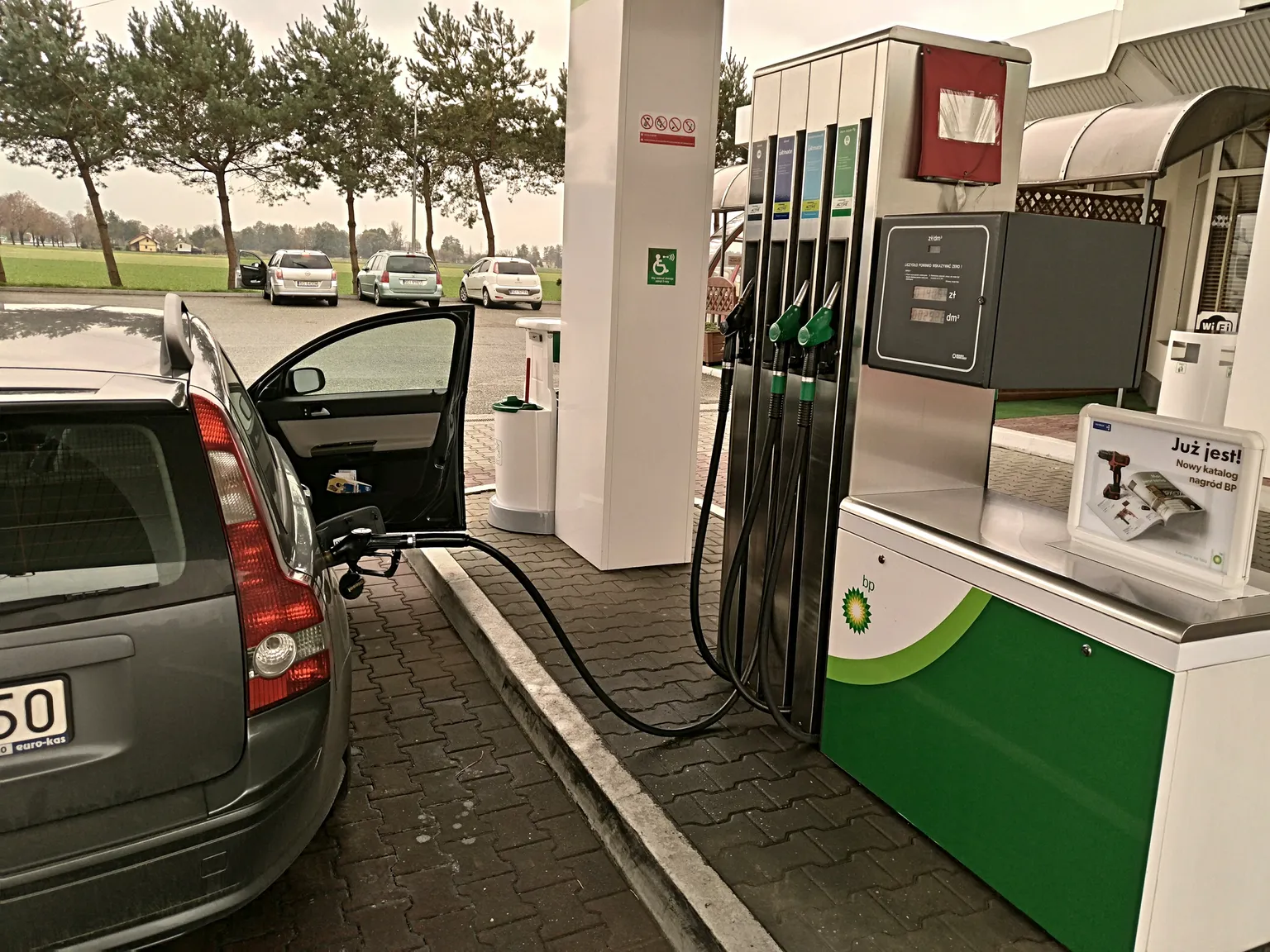
If your car will not start right after getting gas, the refueling stop gets your attention fast. It may be connected to the problem, or it may simply be when a battery, starter, electrical, or fuel-delivery issue finally showed itself. The useful move is to notice what the car actually does, avoid repeated start attempts, and get the system tested before buying a part.
For a Dallas-Fort Worth driver, this can happen at a station, at home after a fill-up, or after a short stop on the way to work. The timing matters, but it is not a diagnosis. A car that clicks is different from a car that cranks normally but will not run, and both are different from a car that starts after ten minutes of sitting.
Quick Answer
A hard start after getting gas can be a fuel-vapor issue, but it can also be a coincidence. Note whether the engine clicks, cranks, or starts after sitting, then book diagnostics when the cause is not confirmed.
First, notice whether the engine cranks
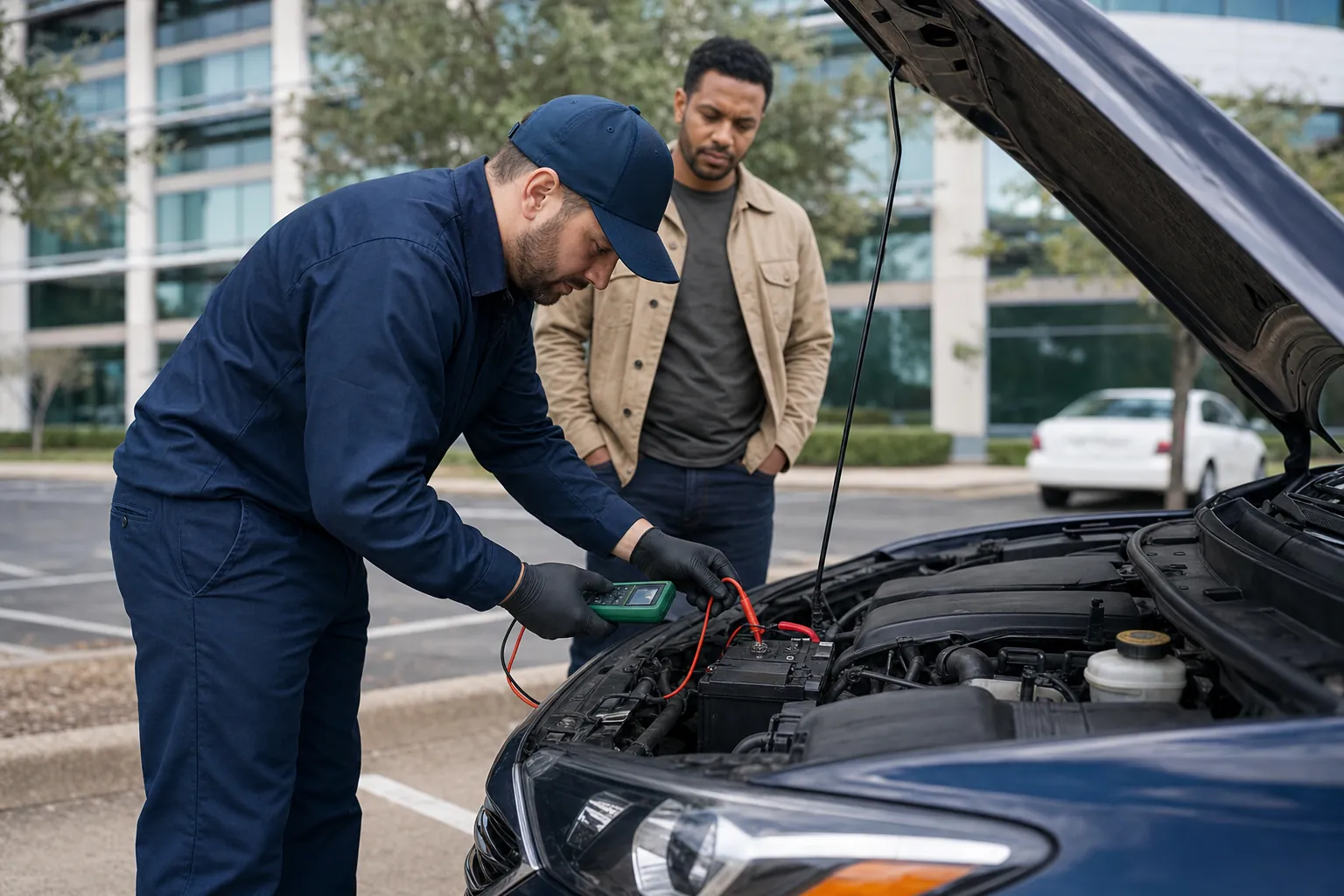
Start by separating a no-crank from a crank-no-start. If you hear rapid clicks, one heavy click, or nothing at all and the engine does not turn, the problem may be in the battery, battery connections, starter circuit, starter, fuse, relay, or a control signal. Getting gas may have nothing to do with it. A no-crank needs a starting-system check.
If the engine spins normally but will not catch and run, the starter is already doing its job. The next possibilities can include fuel delivery, ignition, sensor information, air flow, anti-theft controls, or a fuel-vapor concern. Tell the technician exactly how it sounded. That one detail prevents a lot of parts guessing.
Why the timing can matter, without proving the cause
Gasoline vehicles manage fuel vapors instead of simply venting them into the air. The system stores and routes vapors so the engine can burn them under controlled conditions. A fault in that system can sometimes make an engine hard to restart after refueling, especially if the pattern repeats after several fill-ups.
One component a technician may consider is the purge control side of the fuel-vapor system. If it is not controlling vapor flow correctly, the engine can receive the wrong mixture during a restart. That does not mean every hard start after gas is a purge valve. The same timing can also expose a weak battery, a loose connection, a tired starter, a fuel-pump issue, or an unrelated intermittent fault.
The pattern is what makes the visit more efficient. Does it happen only after a full fill-up? Does the car start normally after ten minutes? Does it crank for a long time, start and stumble, or fail to crank at all? Those details give testing a place to begin without treating the first internet answer as a repair plan.
A repeat pattern after refueling is more useful than one isolated incident. For example, a car that cranks longer only after a fill-up, then drives normally once it starts, gives a technician a different starting point than a car that clicks at random locations. In the first case, fuel-vapor control and restart behavior deserve attention. In the second, battery condition, connections, and starter operation may be more relevant.
Warning lights can help, but they are not a verdict either. A check engine light may leave useful fault information behind, while a vehicle with no warning light can still have a real problem. Avoid clearing codes or disconnecting the battery before the visit if you can. That information can help show what the vehicle noticed when the hard start occurred.
Do not keep cranking or keep adding fuel
Make one or two brief attempts to observe the symptom. Repeated long cranking can run the battery down and turn one problem into two. If the engine starts after a pause, do not assume the issue is gone. Write down what changed and arrange testing if the pattern returns.
At the pump, stop filling when the nozzle clicks off. Do not repeatedly add more fuel to round up the purchase or squeeze more into the tank. That extra fuel can be hard on parts designed to manage vapor rather than liquid fuel. It is also a simple habit that removes one avoidable variable when a car already has a repeat refueling-start problem.
If you smell strong raw fuel away from normal refueling, see smoke, spot a leak, or believe there is a safety risk, do not keep trying to start the vehicle. Move away from it and ask station staff or emergency services for help. For recall questions, use NHTSA's VIN recall lookup before paying for a concern that could relate to a manufacturer campaign.
Safe checks a driver can make
Keep the first checks simple. Put the vehicle in Park, set the parking brake, and turn off accessories. If it is safe, look for an obviously loose battery terminal, but do not remove cables, open fuel-system lines, bypass fuses, or spray fuel-system chemicals into parts by guesswork. Those shortcuts can cause damage and rarely answer why the symptom began.
Think back to the trip before the fill-up. Did the car hesitate, lose power, show a warning light, crank longer than usual, or have a battery warning? Did you fill the tank after the pump clicked off? Was it a normal restart after a short stop, or had the vehicle been sitting for hours? A short phone video of the sound and dashboard can be useful if it can be taken safely.
- Note whether the engine clicks, cranks slowly, cranks normally, or starts and immediately runs rough.
- Record whether the problem happens after every fill-up or only once.
- Mention warning lights, a recent jump-start, or recent battery, starter, alternator, or fuel-system work.
- Share the year, make, model, location, and whether the work area is safe and accessible.
What diagnostics can sort out
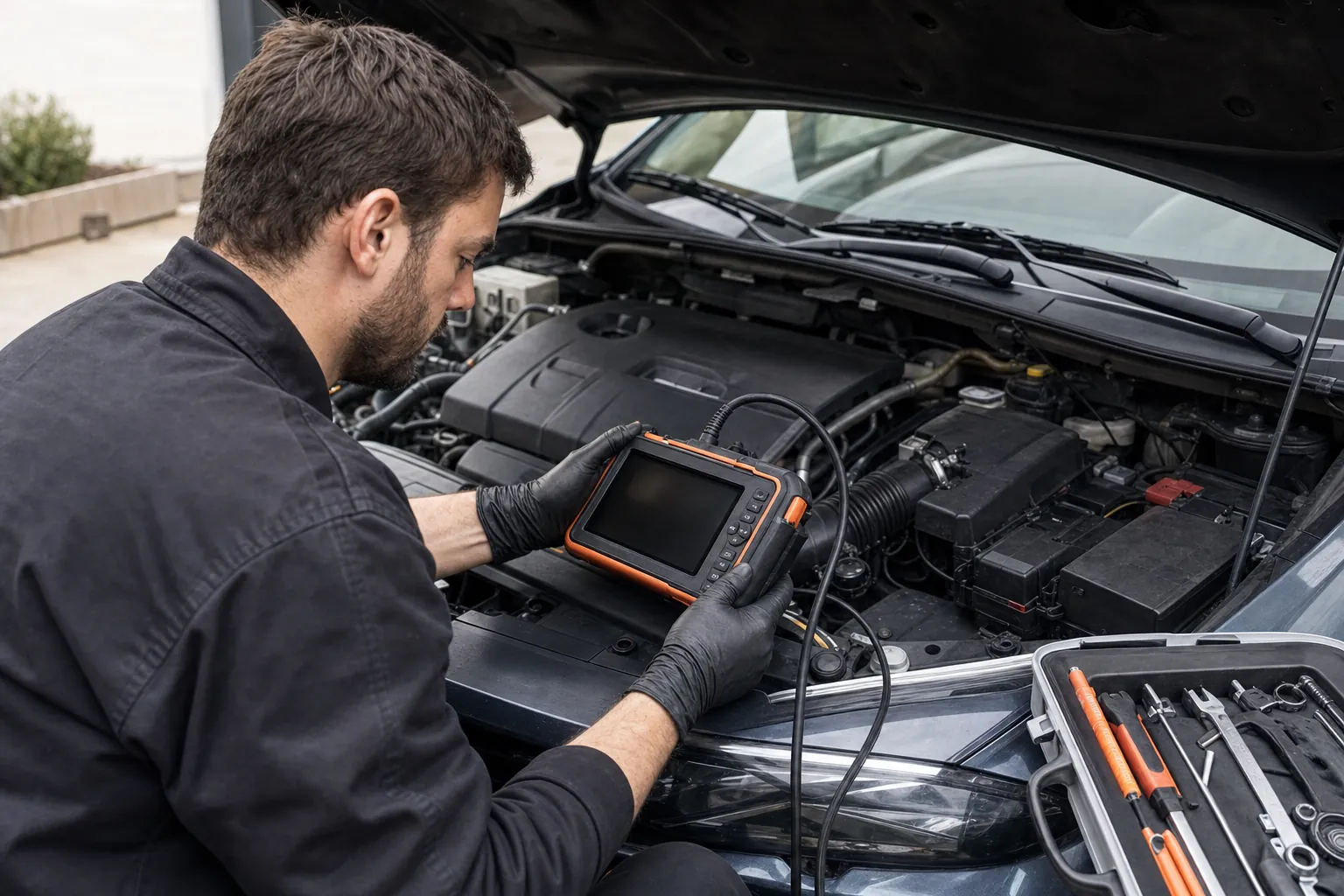
A proper hard-start diagnosis is more than a quick code scan. Depending on the symptom and vehicle, testing can include battery condition under load, terminal and ground paths, charging performance, starting command, fault information, live sensor readings, fuel-vapor controls, and fuel-delivery behavior. The objective is to confirm what is missing when the engine will not start or will not stay running.
This matters because the repair paths are very different. A confirmed battery problem may fit a mobile battery replacement. A confirmed starter concern can lead to mobile starter service when access and the worksite make sense. A fuel-vapor or engine-management issue may need deeper testing before a repair is approved. The right answer follows the test, not the coincidence of a gas stop.
For an unknown no-start or hard-start, Rise High charges $150 total for on-site diagnostics. A confirmed repair visit starts with a $50 booking and travel fee before parts and repair labor. That helps drivers choose testing first when they do not yet know which system failed.
Diagnosis also helps avoid the common loop of replacing a battery because the car did not start, then replacing a starter because the new battery did not solve it. A part can fail, but several systems can create the same driver-facing symptom. The diagnostic visit is meant to identify the failed path before parts and labor are approved.
Refueling is a clue, not a parts list
A repeat hard start after filling up is useful diagnostic information. It does not prove the fuel-vapor system is the only issue, and it does not justify replacing parts without testing.
When mobile service makes sense
Mobile diagnostics can be a practical fit when the vehicle is at home, at work, in a safe parking area, or in another accessible location. It is especially useful when the car has a repeat symptom, the reason for the no-start is unclear, and avoiding a tow could save time and disruption. Rise High works on gasoline and hybrid passenger vehicles and can help determine whether the confirmed repair fits the vehicle and worksite.
Some problems still belong at a repair shop. Extensive wiring work, major fuel-system repairs, engine mechanical trouble, a module issue, lift access, a busy roadway, or an unsafe work area can change the answer. That is not a failed visit. It is a clear direction before more money is spent on the wrong kind of repair.
Before booking, have the exact location ready and mention any apartment gate, parking rule, garage-height limit, steep driveway, or roadside condition. A clear worksite description helps determine whether a mobile visit is safe and practical. The goal is a useful answer at the vehicle, not forcing a repair into a location that does not fit it.
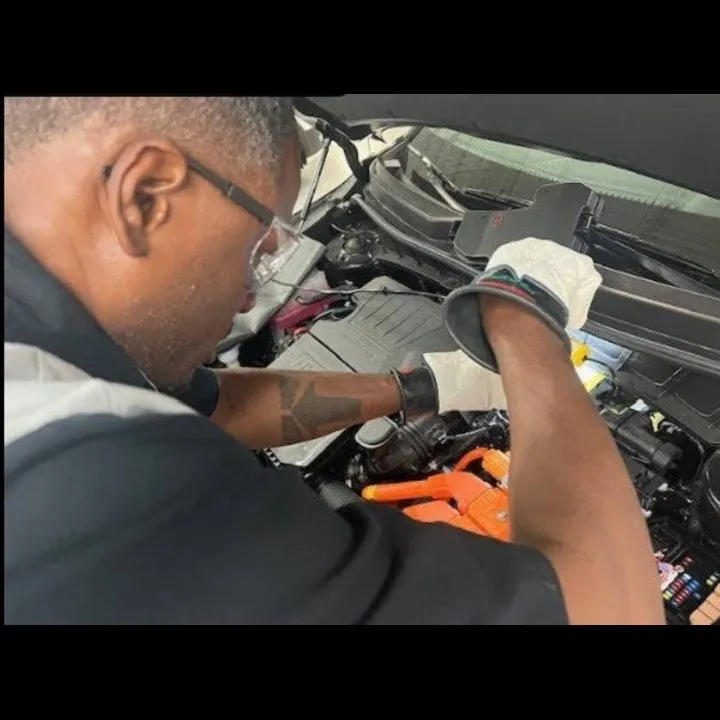
If it starts after sitting, do not treat that as a repair
A vehicle that starts after ten or fifteen minutes has still given you useful information, but it has not fixed itself. Note how long it sat, whether it started rough, whether the check engine light stayed on, and whether the next restart was normal. A repeat pattern is often easier to diagnose when the technician knows the exact conditions that came before it.
Once the engine starts, avoid assuming a long drive will clear the issue. If it runs roughly, smells strongly of fuel, stalls, loses power, or shows a flashing warning light, stop driving and arrange the right help. A steady warning light with a normally running vehicle is different, but it still gives the technician a reason to check stored fault information before replacing anything.
Do not pour additives into the tank as a first response to a repeat hard start. An additive cannot test a battery path, starter circuit, fuel-vapor valve, wiring connection, or sensor signal. It can also make it harder to tell which change affected the symptom. Keep the story simple: when the vehicle was refueled, what the restart did, how long it sat, and what happened when it finally ran.
If the car starts and you need to move it, choose the shortest safe route away from the fuel pump or immediate traffic hazard. Then park somewhere accessible for a diagnostic visit. That is often more useful than driving around until the symptom disappears, because the details around the failed restart are what point testing in the right direction.
How Rise High helps with a hard start after refueling
Rise High Mobile Mechanics helps Dallas-Fort Worth drivers with on-site diagnostics, battery and charging checks, starting-system concerns, electrical faults, and mobile-friendly repairs. When a car will not start after getting gas, the first job is to determine whether refueling is part of the pattern or simply when another issue appeared.
Bring the vehicle details, location, and symptoms to the appointment. The appointment process explains how Rise High matches the visit to the issue and worksite. For related no-start symptoms, read about a car that clicks but will not start or a car that will not start when the battery seems good.
Get the Hard Start Tested Where It Sits
Call or text with the vehicle details, location, and what happened after refueling. Rise High can help you choose diagnostics or a confirmed repair visit.
Frequently asked questions
Why won't my car start after I put gas in it?
The timing can be a coincidence, especially if the battery, starter circuit, or another starting-system issue was already developing. On some gasoline vehicles, a fuel-vapor control issue can also make a restart difficult after refueling. The exact symptom, whether the engine cranks, and whether it starts after sitting are more useful than guessing from timing alone.
Can overfilling the gas tank make a car hard to start?
Repeatedly adding fuel after the pump has already shut off can cause problems in the fuel-vapor system on some vehicles. Stop filling when the nozzle clicks off, then have a repeat hard-start after refueling tested instead of trying to solve it by replacing parts.
Should I keep trying to start my car at the gas station?
No. Make one or two brief attempts to note what happens, then stop. Repeated cranking can drain the battery and can hide the original symptom. If there is a strong fuel smell, smoke, a fluid leak, or any sign of danger, move away from the vehicle and contact emergency services or the station staff.
Is a car that will not start after getting gas a mobile diagnostic job?
It can be, when the vehicle is in a safe and accessible location. Mobile diagnostics can help separate a battery or starting issue from a fuel-vapor, sensor, electrical, or fuel-delivery concern. Some repairs need shop equipment or longer testing, and a reliable mechanic should say that clearly.
Related posts
How Much Does a Mobile Mechanic Cost?
How much does a mobile mechanic cost in Dallas-Fort Worth? Rise High charges $150 for diagnostics and a $50 booking and travel fee for confirmed repairs, plus parts and labor.
Can a Mobile Mechanic Replace an Alternator?
Yes, often. Learn when a mobile mechanic can replace an alternator at your home or work, when testing comes first, and when a shop is safer.
Car Won't Start but Battery Is Good? Next Steps
What to check when your car will not start but the battery seems good, plus when Dallas-Fort Worth drivers should book mobile diagnostics.

Car Clicks but Won't Start? What to Check First
A car that clicks but will not start may have a battery, cable, starter, relay, or safety-switch problem. Learn what the sound can tell you before booking service.
Featured image: Rameshng, CC BY-SA 4.0, via Wikimedia Commons.