Brakes Squeaking or Grinding? What Each Sound Means
A brake squeal is often an early warning, while grinding can mean metal-to-metal wear, so learn what each sound may mean and when to stop driving.

A squeak and a grind are not the same warning. A high-pitched squeal is often the brakes asking for attention soon. A harsh grinding or scraping sound can mean the pad material is gone and metal is rubbing on metal. That can lengthen your stopping distance and damage more parts the longer you drive.
For a Dallas-Fort Worth driver who hears a new noise on the way to work, the next step depends on what the sound is, when it happens, and how the brake pedal feels. This guide explains what each sound can mean, what to notice before anyone touches the car, and when brake diagnostics, an on-site repair, a shop, or a tow makes the most sense.
Quick Answer
A steady squeal when braking often comes from the pad wear indicator and means the brakes should be inspected soon. Grinding, a pedal that feels soft or low, a strong pull, or a brake warning light is more urgent. Drive as little as possible, and do not drive at all if stopping feels weak. Book diagnostics before buying pads or rotors.
First, decide whether the car is safe to drive
Before you think about parts, think about the next mile. How the brake pedal feels and how the car stops matter more than the noise. If any of these are true, park the car somewhere safe and do not keep driving it:
- The pedal sinks lower than usual, feels soft or spongy, or goes close to the floor.
- The car takes noticeably longer to stop, or you have to press much harder than normal.
- A red brake warning light is on while driving, especially with the parking brake fully released.
- You see fluid near a wheel or on the ground under the car, or smell a hot, burning odor from one wheel.
- The car pulls hard to one side when you brake, or the grinding is loud and constant.
Those signs point to a problem that should be checked before the vehicle goes back into traffic. In that case, a tow to a shop or a diagnostic visit where the car is already safely parked is the better plan. Do not try to "limp" it across town on LBJ Freeway or I-35E to save a trip.
If the pedal feels normal, the car stops straight, and the only change is a light squeak, you usually have more time. That does not mean the noise can be ignored for months. It means you can plan an inspection instead of reacting to an emergency.
What a brake squeal or squeak often means
Many disc brake pads have a small metal tab called a wear indicator. When the pad wears down to a certain thickness, that tab starts to touch the rotor and makes a high-pitched squeal while you brake. It is built to be annoying on purpose. AAA notes that a high-pitched or grinding noise is a strong sign the brakes have worn thin, and that the sound comes from the built-in wear indicator contacting the rotor.
A wear-indicator squeal is a reason to book an inspection soon. It is not the only possible cause of a squeak, though. Other common explanations include:
Moisture or light surface rust: After rain, a car wash, or a few days parked outside, a thin layer of rust can form on the rotors. A brief squeak or scrape on the first few stops that goes away is often this, and it is usually not a concern by itself.
Brake dust, glazing, or debris: Dust build-up, glazed pads, or a small stone caught between the rotor and the dust shield can cause squeaks or scraping. A stone often makes noise even when you are not pressing the pedal.
Pad material and hardware: Some pad materials are naturally noisier than others. Missing or worn anti-rattle clips, shims, or dry slide pins can also let parts vibrate and squeal.
The pattern matters. A squeak that happens only on the first stop of a damp morning is different from a squeal that happens every time you brake, gets louder week by week, or starts after recent brake work.
What brake grinding often means
Grinding is the sound to take seriously. A deep, rough, scraping noise when you brake often means the friction material on a pad has worn away and the metal backing plate is now contacting the rotor. Metal on metal does not stop the car as well as a healthy pad, and it can quickly score or gouge the rotor. In some cases it can also damage the caliper.
Driving on worn-out pads is one of the most common ways a simple pad replacement grows into a larger brake job. A pad job that may have been enough a few weeks earlier can turn into pads, rotors, and possibly caliper work once the metal has been grinding for a while.
Grinding is not always worn pads, though. One possible cause is a stone or piece of road debris trapped near the rotor. Another is a seized caliper or slide pin that keeps a pad dragging. A badly rusted rotor edge or a worn wheel bearing can also make noises that sound brake-related. That is why the right next step is an inspection, not a guess at the parts counter.
Squeal means soon, grinding means now
A steady squeal is often an early warning that pads are getting thin. Grinding can mean the warning stage has passed. If you hear grinding, drive as little as possible, avoid highway speeds, and get the brakes checked before the problem spreads to the rotors and calipers.
Other brake sounds and feelings to note
Brake problems do not always announce themselves with a squeal or a grind. Pay attention to how the car feels as well as how it sounds.
Vibration or pulsing in the pedal or steering wheel: A shake that shows up when braking, especially from highway speed, often points to uneven rotor surfaces. AAA links pedal vibration to warped rotors. Suspension or wheel issues can feel similar, so an inspection should confirm the cause.
Pulling to one side when braking: A pull can come from uneven pad wear, a sticking caliper, or a brake hose problem on one side. AAA lists veering to one side as one of the signs that brakes need attention.
Clicking or clunking when you first press the pedal: Loose or worn pad hardware can let pads shift in their brackets. It may be minor, but it should still be looked at.
A burning smell after normal driving: A dragging brake can overheat one wheel. If one wheel feels much hotter or smells hot compared with the others, do not touch it, and mention it when you book.
Warning lights: A red brake warning light can relate to the parking brake, brake fluid level, or a hydraulic concern. An amber ABS light points to the anti-lock system. Your owner's manual explains what each light means on your model. Either one is worth having checked promptly.
What to notice before you book
You do not need to diagnose the brakes yourself. A few honest observations help a technician start in the right place and keep the visit efficient. If you can safely do so, note:
- Whether the sound is a high squeal, a rough grind, a click, or a scrape.
- Whether it happens only while pressing the pedal, all the time, or only on the first few stops of the day.
- Which corner it seems to come from: front or rear, driver side or passenger side.
- Any change in pedal feel, pulling, vibration, warning lights, or smells.
- When the brakes were last serviced and whether the noise started right after that work.
A short phone recording of the noise can help, but only make one while parked or with someone else driving slowly in an empty lot. Do not record while you are driving.
Why diagnosis comes before buying pads or rotors
It is tempting to order a set of pads online the moment you hear a squeal. The problem is that the noise does not tell you which axle needs work, whether the rotors are still usable, or whether a caliper or slide pin is the real cause. Buying the wrong parts wastes money and can leave the noise in place.
Rise High works on a labor-only basis: you supply the approved parts. That makes it even more important to know exactly what the car needs before anything is ordered. A diagnostic visit lets a technician look at pad thickness, rotor condition, caliper movement, and hardware, then tell you which parts fit the confirmed problem.
Rise High's on-site diagnostic visit costs $150 total. A $50 non-refundable deposit books it, and the remaining $100 is due when the diagnosis is complete. When the repair is already confirmed, a mobile brake repair visit carries a $50 booking and travel fee, separate from parts and labor. The mobile mechanic cost guide explains how those visits differ.
What a mobile brake visit can handle
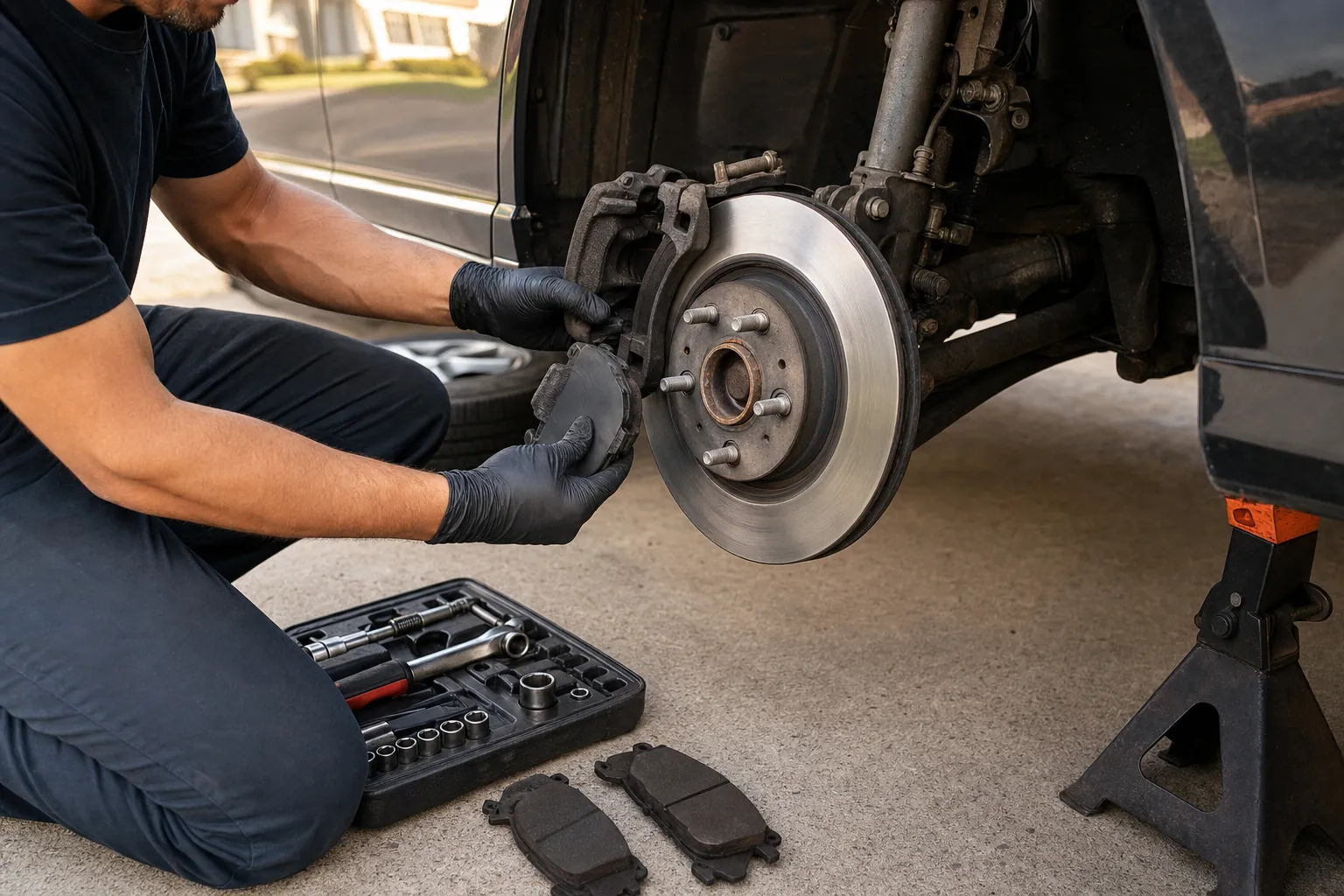
Many brake jobs on gasoline and hybrid passenger vehicles can be done where the car is parked, as long as the work area is safe. Common mobile brake work includes brake pads, rotors, and calipers on cars, SUVs, and light trucks. Rise High also handles related suspension and steering concerns when testing points there.
A safe work area is required. A level driveway, a quiet apartment or office parking space, or another safe parking location with room around the wheel usually works. A steep driveway, a busy street edge, or a highway shoulder does not. If the car is in an apartment community or an HOA neighborhood, check the property rules about vehicle work before booking. Drivers near the home base can see local details on the Garland mobile mechanic page, and drivers across the city can read the Dallas mobile mechanic page.
For a fuller look at what can and cannot be done on site, read mobile brake repair: what can be done at home.
When a shop or tow is the better choice
A mobile visit is not always the right answer. A repair shop is often the better place when the vehicle has a brake fluid leak that needs line or hose work along the frame, an ABS module or hydraulic unit concern, heavily seized or corroded components that need shop equipment, or when the car must be raised on a lift for safe access. A shop is also the safer choice when the parking spot itself is not a safe work area.
If the pedal is soft, the car does not stop well, or a red brake warning light stays on, do not drive it to the shop. Have it towed. Weak brakes are not worth the risk to you or anyone else on the road.

Before paying for brake work, check for open safety recalls with NHTSA's VIN recall lookup. When you approve an inspection or repair from any provider, make sure the scope and cost are clear. The Texas Attorney General's car repair guidance recommends getting a written estimate and authorizing work before it begins.
How Rise High helps with noisy brakes
Rise High Mobile Mechanics comes to homes, workplaces, apartment communities, and safe parking locations across Dallas-Fort Worth. The team is Kia and GM Master Certified, with more than 30 years of combined experience on gasoline and hybrid passenger vehicles.
When the cause of a brake noise is unknown, start with diagnostics. You get a clear answer about what is worn, what is still usable, and which parts to buy. If the confirmed repair fits a safe mobile worksite, Rise High can schedule the repair visit. If it needs a shop or a tow, you hear that up front instead of after the wrong parts arrive.
Get Noisy Brakes Checked Where the Car Is Parked
Open the Rise High app, select Book Diagnostic, and describe the sound, when it happens, how the pedal feels, and where the car is parked.
Frequently asked questions
Why do my brakes squeak when I stop?
A steady squeal while braking is often the pad wear indicator touching the rotor, which means the pads are getting thin. A brief squeak on the first stops after rain or a car wash is often light surface rust. Dust, debris, pad material, and worn hardware can also cause squeaks, so an inspection confirms which one it is.
Is it safe to drive with grinding brakes?
Grinding can mean the pad material is worn through and metal is contacting the rotor. That can reduce braking performance and damage rotors or calipers. Drive as little as possible and get the brakes checked promptly. If the pedal feels soft, the car does not stop well, or a red brake light is on, have it towed instead of driving it.
Do squeaky brakes always mean I need new pads?
No. Pads near the end of their life are a common cause, but moisture, rust, brake dust, a trapped stone, or loose hardware can also squeak. Diagnosis before buying parts avoids paying for pads or rotors the car may not need.
Can a mobile mechanic replace brake pads and rotors at my home?
Often, yes. Pads, rotors, and calipers on many gasoline and hybrid passenger vehicles can be replaced on site when the car is parked in a safe, level work area. Rise High works labor-only, so you supply the approved parts after the repair is confirmed. Some jobs, such as brake line work or ABS concerns, are better handled at a shop.
How much does a brake diagnostic visit cost with Rise High?
A diagnostic visit is $150 total. A $50 non-refundable deposit books it, and the remaining $100 is due when the diagnosis is complete. A confirmed repair visit has a $50 booking and travel fee, separate from parts and labor.
Related posts
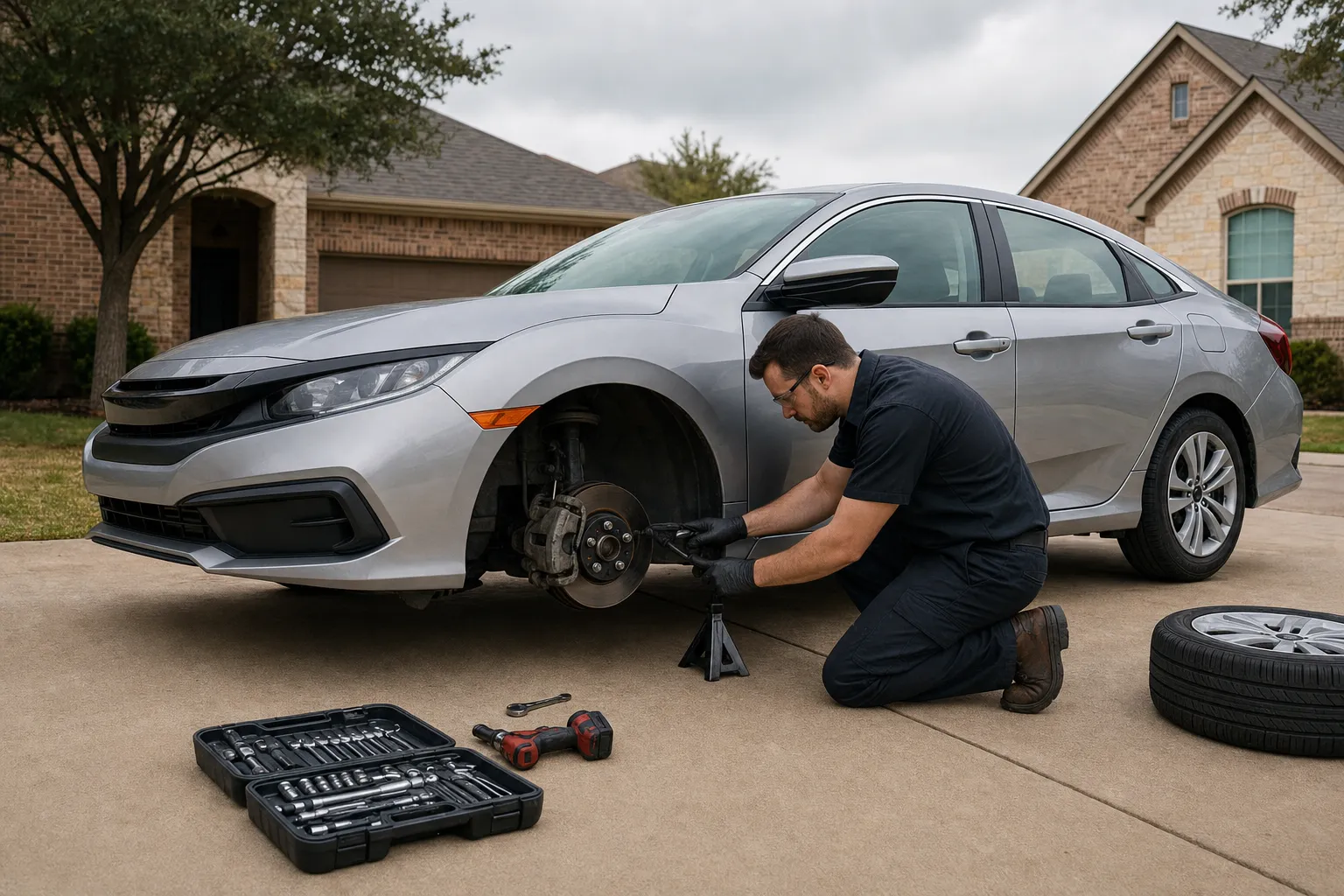
Mobile Brake Repair: What Can Be Done at Home?
What mobile brake repair can cover, when diagnosis comes first, and when Dallas-Fort Worth drivers should choose a repair shop.
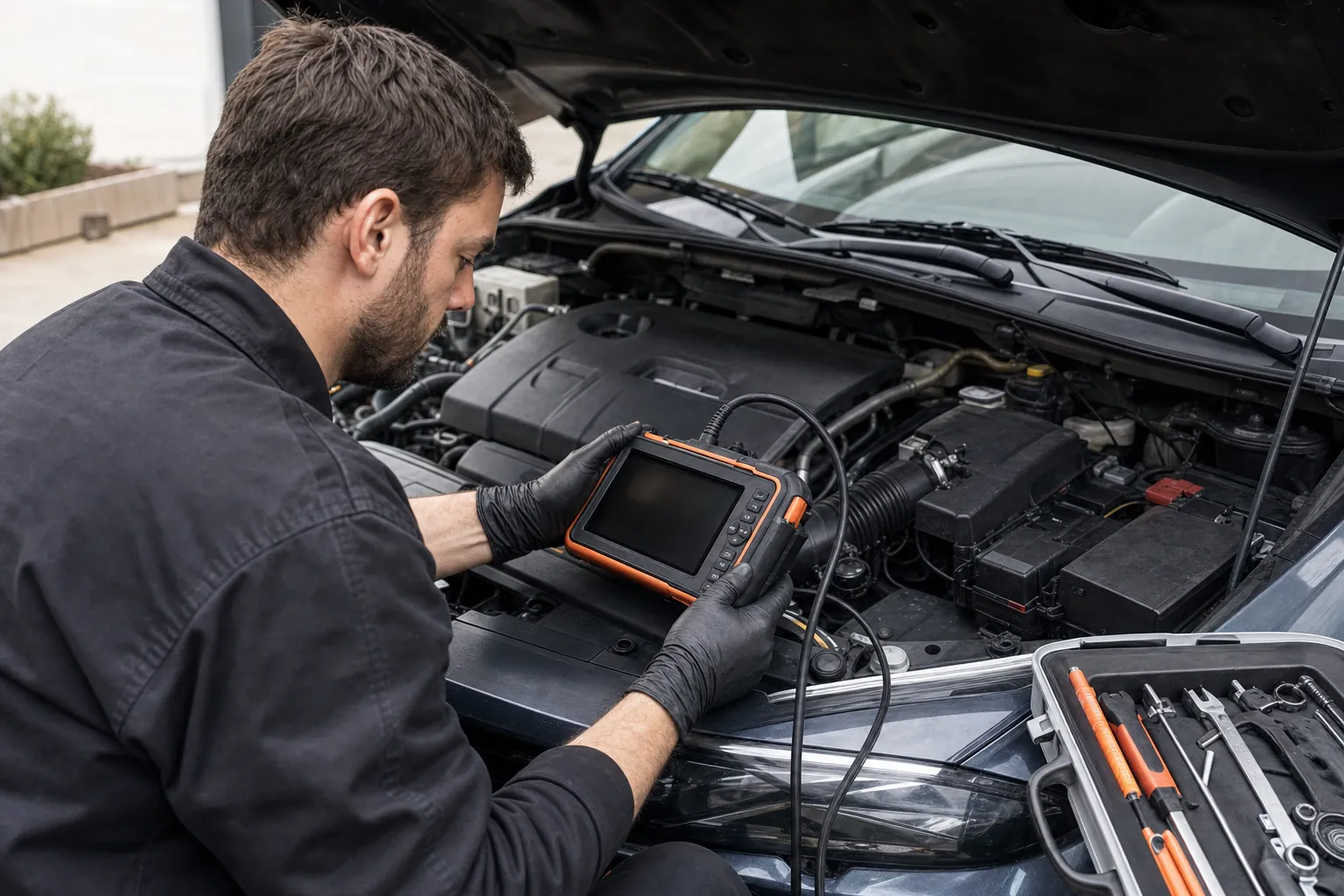
How Much Does a Mobile Mechanic Cost?
How much does a mobile mechanic cost in Dallas-Fort Worth? Rise High charges $150 for diagnostics and a $50 booking and travel fee for confirmed labor-only repairs.
Are Mobile Mechanics Reliable? A Driver's Guide
How to choose a reliable mobile mechanic, what to ask before they arrive, and when a Dallas-Fort Worth repair shop is the safer choice.