Mobile Brake Repair: What Can Be Done at Home?
What mobile brake repair can cover, when diagnosis comes first, and when Dallas-Fort Worth drivers should choose a repair shop.
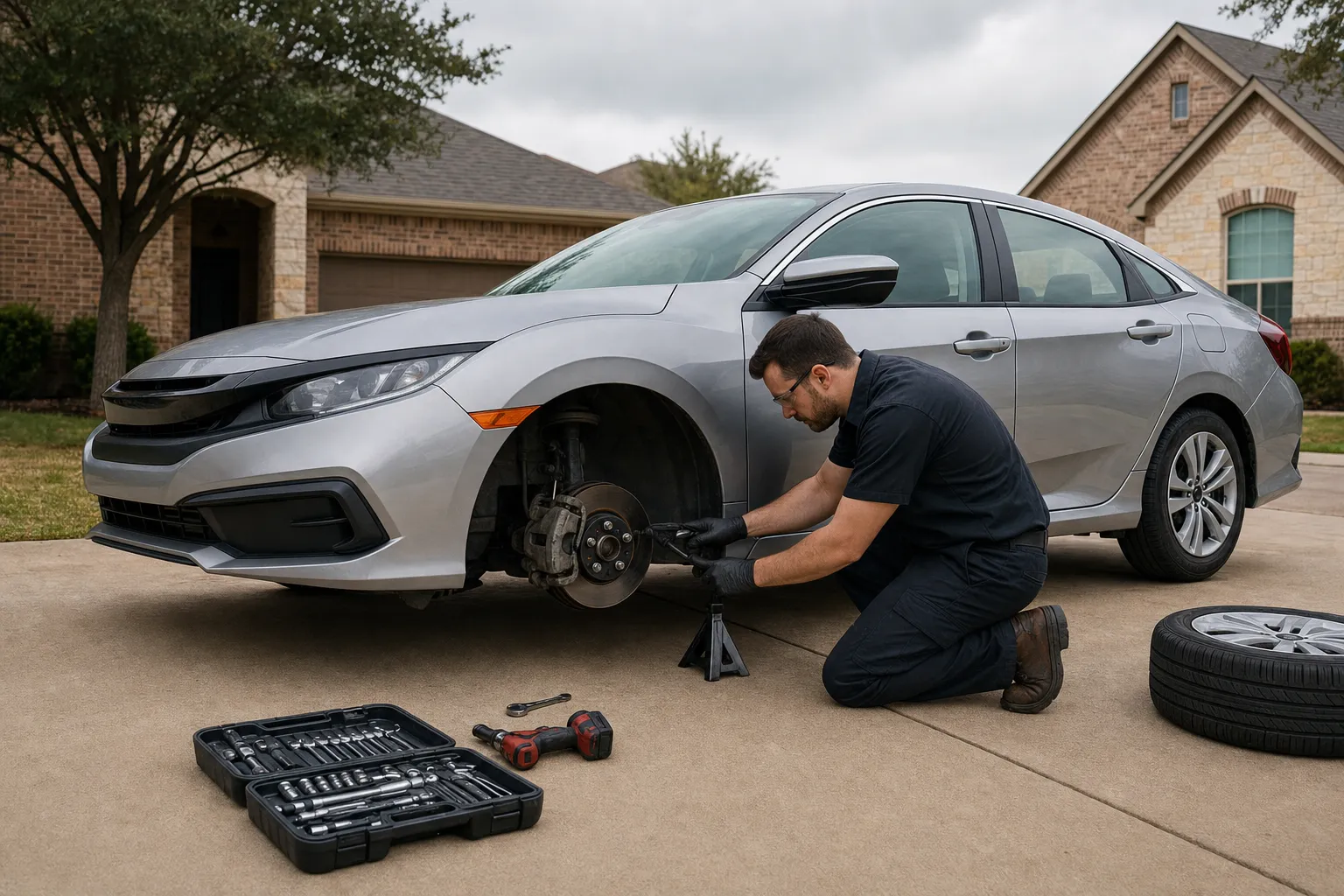
Mobile brake repair can handle many pad, rotor, caliper, and hardware jobs where the vehicle is parked. The repair has to be the right fit, though. Brakes are not an area for a fast guess, a rushed roadside setup, or replacing parts because a noise seems familiar. The right visit begins with the vehicle's symptoms, the known condition of the brakes, and a safe place to work.
For Dallas-Fort Worth drivers, the value is straightforward: when the problem and worksite are suitable, on-site service can avoid a tow, shop drop-off, and a day without the car. When a repair needs a lift, extensive brake-line work, special equipment, or a controlled shop environment, sending it to a shop is the better answer. Good mobile brake help is about making that call early and honestly.
Quick Answer
Mobile service can often handle confirmed brake pads, rotors, calipers, and hardware repairs. If the symptom is unclear or the vehicle feels unsafe to drive, begin with a brake inspection or diagnostic visit instead.
What mobile brake repair can usually cover
Many common brake jobs are mechanical and predictable once the right repair has been identified. On gasoline and hybrid passenger vehicles, that can include worn brake pads, worn or damaged rotors, some caliper concerns, brake hardware, and certain sensor or parking-brake-related checks. A technician still needs the correct parts, enough space around the vehicle, and safe access to the wheel area.
A confirmed pad-and-rotor repair is one of the clearer mobile scenarios. The driver may already have an inspection report, know the axle that needs attention, or have a symptom and visible wear that make the repair direction obvious. The technician can verify the vehicle details, inspect the components, replace the appropriate parts, and confirm that the brake system is operating as expected before closing the job.
That does not mean every squeal equals a pad replacement. Brake noise can come from normal wear indicators, pad material, hardware, debris, rotor condition, a sticking caliper, or a different part of the suspension or wheel area. If the cause is not already known, Rise High's mobile brake service starts by deciding whether a diagnostic visit is the safer first step.

When diagnostics should come before a brake repair
Diagnostics are the right starting point when the vehicle is pulling to one side, vibrating while braking, grinding, showing a brake warning light, losing brake fluid, or developing a soft or unusual pedal. Those symptoms may point toward brake components, but they do not all point to the same repair. A vehicle that pulls might have a caliper or brake-hose concern, but tire, alignment, or suspension conditions can also change how it feels. Vibration may involve rotors, but the timing and location of the vibration matter.
Think of diagnosis as a way to protect the repair decision. A technician can look at pad and rotor wear, caliper movement, hardware, fluid condition, warning lights, and the driver's description of what changed. That prevents the expensive version of brake service: replacing the most visible part, then finding out the original problem was somewhere else.
If the brake concern overlaps with a warning light, electrical issue, or symptom that is not clearly brake-related, on-site diagnostics may be the better appointment. The same diagnostic-first approach applies to no-start and charging concerns. A car that has several symptoms does not need several guessed repairs.
Known repair versus unknown symptom
A confirmed worn brake component can often move directly to a repair visit. Grinding, a pull, a warning light, a fluid leak, or a pedal change needs a closer look before anyone promises a parts list.
What makes a driveway or parking-lot brake job safe
A safe mobile brake repair needs more than a flat place to park. The vehicle needs enough room for the technician to work around it, stable ground, reasonable lighting, and a location away from moving traffic. The technician also needs safe wheel access, the right lifting and support equipment when the vehicle must be raised, and a clear path to stop if the location turns out not to be suitable.
A driveway, open office lot, or accessible apartment parking area can be a good fit. A steep slope, soft ground, crowded garage, busy shoulder, narrow street, poor lighting, or property rule that prevents the work is not. If the vehicle is parked in a difficult place, say so when booking. A quick description of the location can prevent a wasted visit and help decide whether moving the vehicle or using a shop makes more sense.
Drivers can also make the appointment easier by sharing the year, make, model, axle involved if known, symptoms, recent brake work, warning lights, and whether the vehicle can be driven normally. Rise High's appointment process explains the details that help the technician arrive prepared.

Brake symptoms that should not be brushed off
A brief squeak after rain or after the vehicle has been sitting can be different from steady grinding. A light vibration can be different from a pedal that suddenly feels soft. Context matters, but any meaningful change in braking deserves attention. Grinding may mean the friction material is worn down. A warning light can signal a system concern. A fluid leak, strong pull, sinking pedal, repeated loss of braking feel, or a major change in stopping behavior should be treated as a reason to stop guessing.
Do not keep driving simply because the vehicle still moves. Brakes are a safety system, and a symptom can worsen quickly depending on the cause. The National Highway Traffic Safety Administration's brake-safety information is a useful reminder that braking problems should be addressed promptly. If you are unsure whether the vehicle is safe to drive, call or text with the symptom and location before attempting a shop trip.
It is also worth checking the vehicle identification number for open recalls through NHTSA's recall lookup. A recall does not explain every brake problem, but it is a sensible safety check when a warning, unusual behavior, or service campaign is involved.
When a repair shop is the better choice
Mobile service is not meant to force every brake repair into a driveway. A repair shop is usually the better fit when the vehicle needs a lift, the brake lines need significant repair, the system needs extensive bleeding, corrosion or seized hardware changes the job, the work requires major teardown, or the vehicle will need to stay apart while the repair is sorted out. Those jobs benefit from a controlled work bay, fixed lifting equipment, and time to deal with complications properly.
A shop is also the right call when the worksite is unsafe. A brake repair should never be rushed beside traffic or performed on ground that cannot support the vehicle safely. That boundary is not a limitation of good service. It is how the technician protects the driver, the vehicle, and everyone around the repair.
Texas drivers should expect to understand what inspection, testing, diagnosis, or repair work has been approved before it begins. The Texas Attorney General's car repair guidance recommends written authorization for those decisions. That is useful whether the work happens at a shop or where the vehicle is parked.

What a clear brake repair quote should include
A useful brake quote tells you what has been found, which axle or components are included, whether it is an inspection or a confirmed repair, and what can change after the wheels come off. Brake pads and rotors are often priced together, but a caliper, hose, hardware issue, or severe rotor damage can change the work. Asking that question before the appointment is not being difficult. It is how you avoid comparing one complete repair against a low number that leaves out the part causing the problem.
For an unknown symptom, the first clear price may be the diagnostic or inspection visit. Once the cause is confirmed, the technician can explain the repair options and ask for approval before moving forward. Rise High lists a diagnostic visit at $150 total when the cause is not yet known, while a confirmed repair visit starts with a $50 booking and travel fee before parts and repair labor. That distinction keeps a brake concern from turning into a parts guess.
How to prepare for a mobile brake visit
You do not need to diagnose the car before reaching out. You do need to share what you have noticed. Mention whether the issue is noise, vibration, pulling, a warning light, a fluid leak, a pedal change, or a confirmed recommendation from a recent inspection. Let the technician know which axle is involved if you know it, whether the vehicle is parked on level ground, and whether there are gate codes, garage limits, apartment rules, or other access concerns.
- Share the year, make, model, brake symptoms, warning lights, and recent brake work.
- Say whether the repair need is confirmed or whether the vehicle needs inspection first.
- Park on level ground with enough clear space around the vehicle when possible.
- Mention any property, gate, garage, lighting, or parking restrictions before the appointment.
- Ask what will need approval if the inspection finds a different brake or suspension concern.
How Rise High helps with brake concerns
Rise High Mobile Mechanics helps Dallas-Fort Worth drivers with mobile-friendly brake inspection and repair, including many pad, rotor, caliper, and hardware jobs for gasoline and hybrid passenger vehicles. The first question is not whether every job can be done on site. It is whether the vehicle, repair, parts, and work area are a safe fit.
For an unknown brake problem, a diagnostic or inspection visit gives the repair a better starting point. For a confirmed mobile-friendly repair, a repair visit may avoid the tow and shop wait. If the diagnosis says a repair shop is safer, you get a direct answer before spending money on the wrong appointment. Drivers comparing the bigger decision can also read what mobile mechanics can do and how mobile-mechanic costs compare with a repair shop.
Get Brake Help Where Your Car Is Parked
Call or text with the vehicle details, symptoms, and location. Rise High can help you choose inspection first or a confirmed brake repair visit.
Frequently asked questions
Can a mobile mechanic replace brake pads and rotors at my home?
Often, yes. Brake pads and rotors can be a good fit for mobile service when the needed repair is clear, the vehicle is safely accessible, replacement parts are correct, and the work area is level with enough room to work. The mechanic should confirm those details before promising the repair.
Should I book brake diagnostics before a repair visit?
Book diagnostics first when the vehicle is pulling, vibrating, grinding, showing a warning light, leaking fluid, or has a soft or unusual pedal. A repair visit is more direct when a recent inspection has already confirmed the needed pads, rotors, caliper, or brake hardware.
What brake work needs a repair shop?
A repair shop is usually the better choice for extensive brake-line work, major rust or seized hardware, repairs that need a lift, difficult bleeding procedures, serious fluid leaks, or any job that cannot be completed safely at the vehicle's location.
Is it safe to drive with grinding brakes or a brake warning light?
Do not assume it is safe. Grinding, a brake warning light, a soft pedal, a strong pull, leaking brake fluid, or a clear change in stopping behavior should be checked promptly. Share the symptoms and location before deciding whether the vehicle should be driven.
Related posts
Car Won't Start but Lights Come On? No Clicking Noise
When your lights work but the car stays silent, learn the safe checks to make, what the symptom can mean, and when Dallas-Fort Worth diagnostics are the right next step.
Car Won't Start in Cold Weather? What to Check First
Cold weather can expose a weak battery or starting-system problem. Learn what to notice, what to avoid, and when Dallas-Fort Worth mobile diagnostics are the right next step.
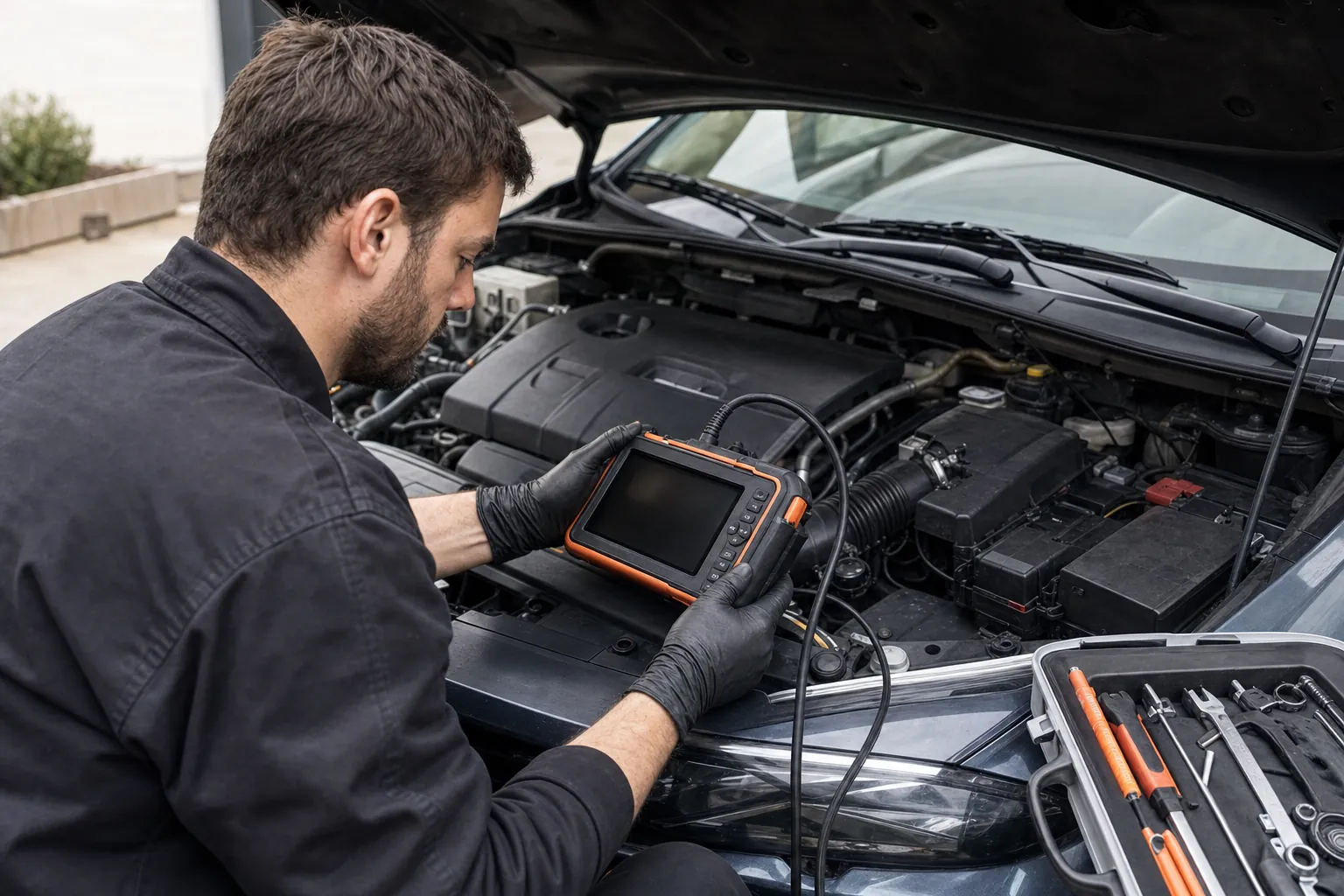
How Much Does a Mobile Mechanic Cost?
How much does a mobile mechanic cost in Dallas-Fort Worth? Rise High charges $150 for diagnostics and a $50 booking and travel fee for confirmed labor-only repairs.
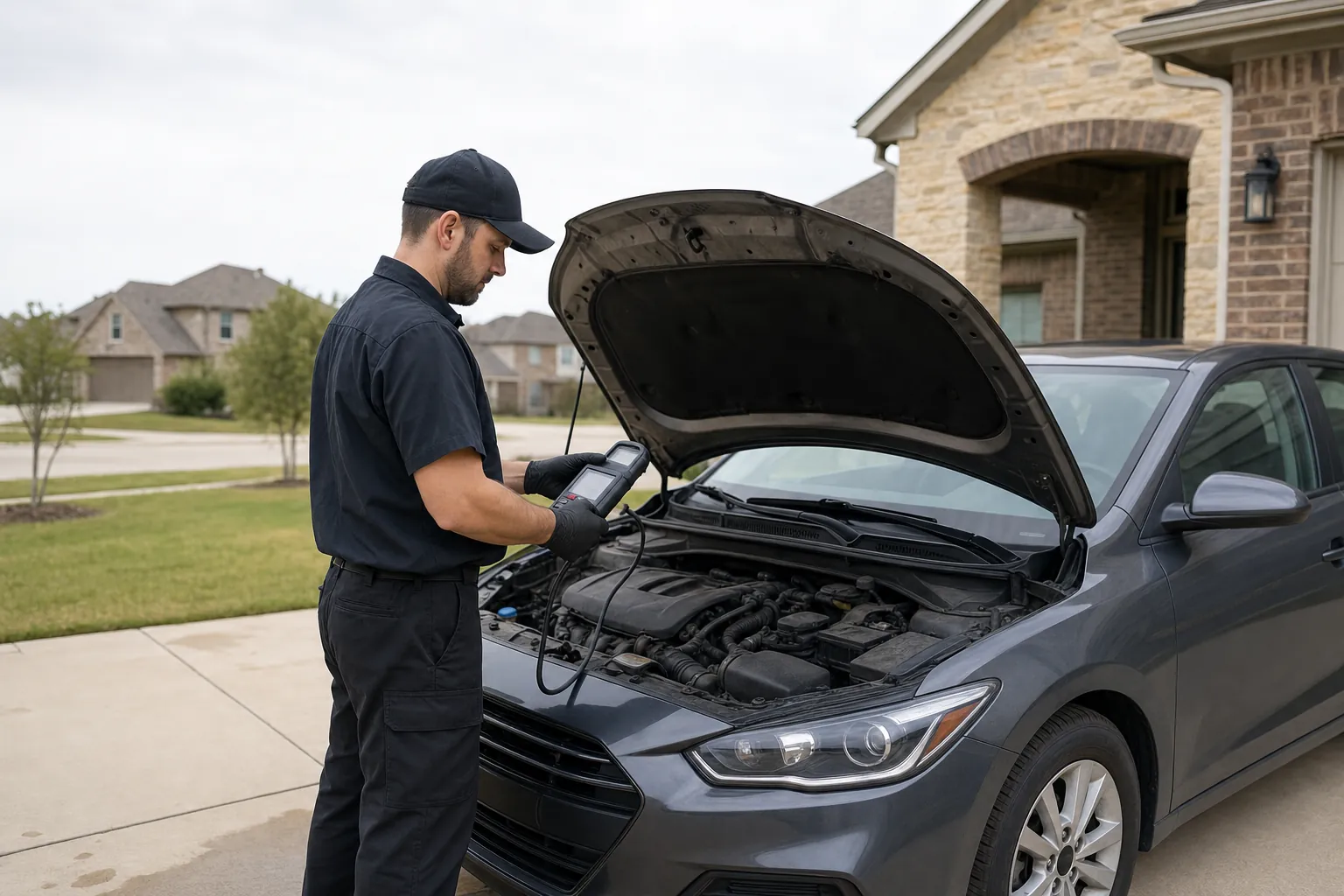
What Is a Mobile Mechanic?
A mobile mechanic comes to your home, work, or apartment for on-site diagnostics and repairs. Learn what they can fix and when a shop is better.
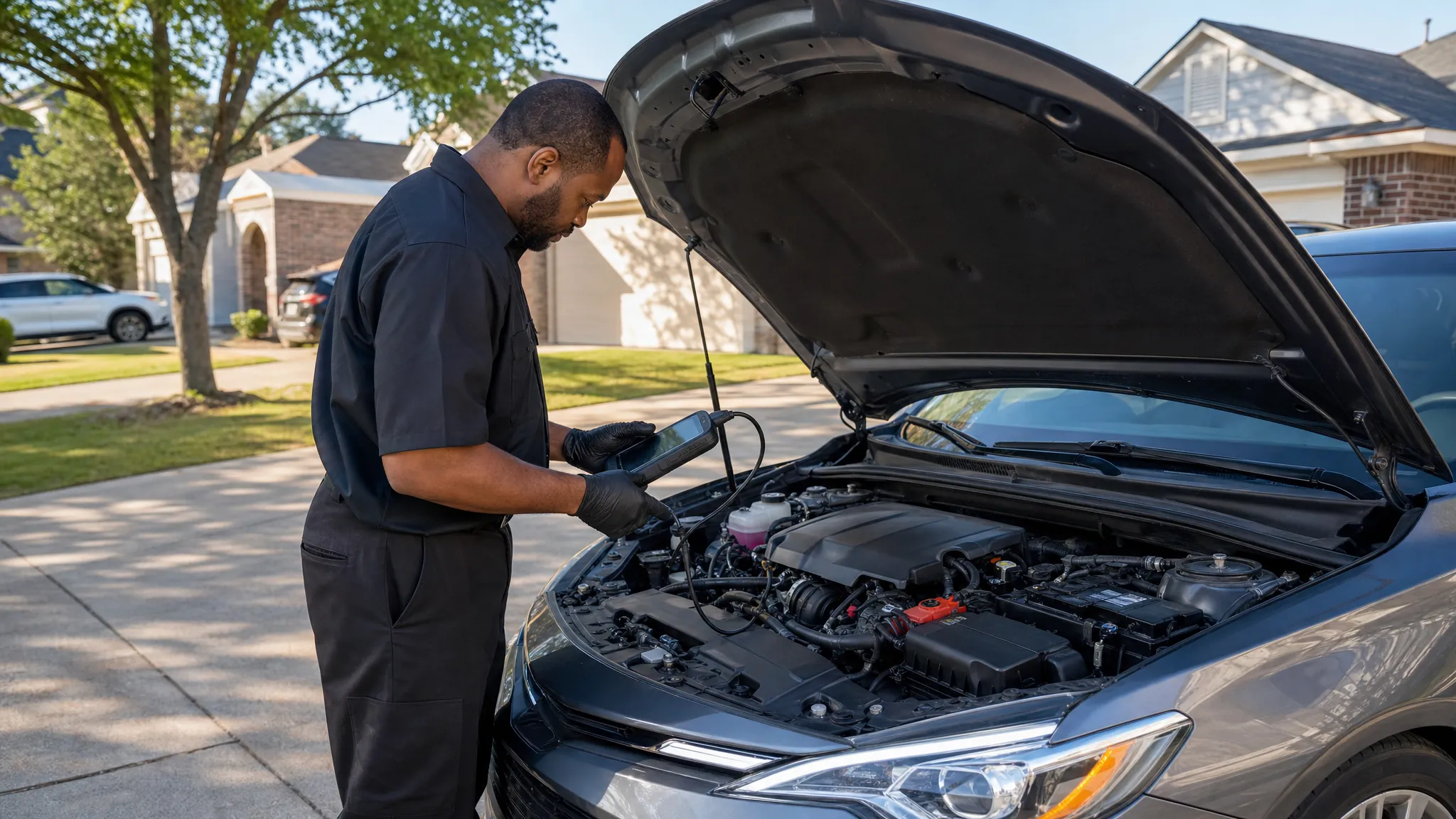
Are Mobile Mechanics Cheaper Than a Repair Shop?
Are mobile mechanics cheaper? Compare towing, travel fees, diagnostics, and Dallas-Fort Worth mobile mechanic pricing before you book.
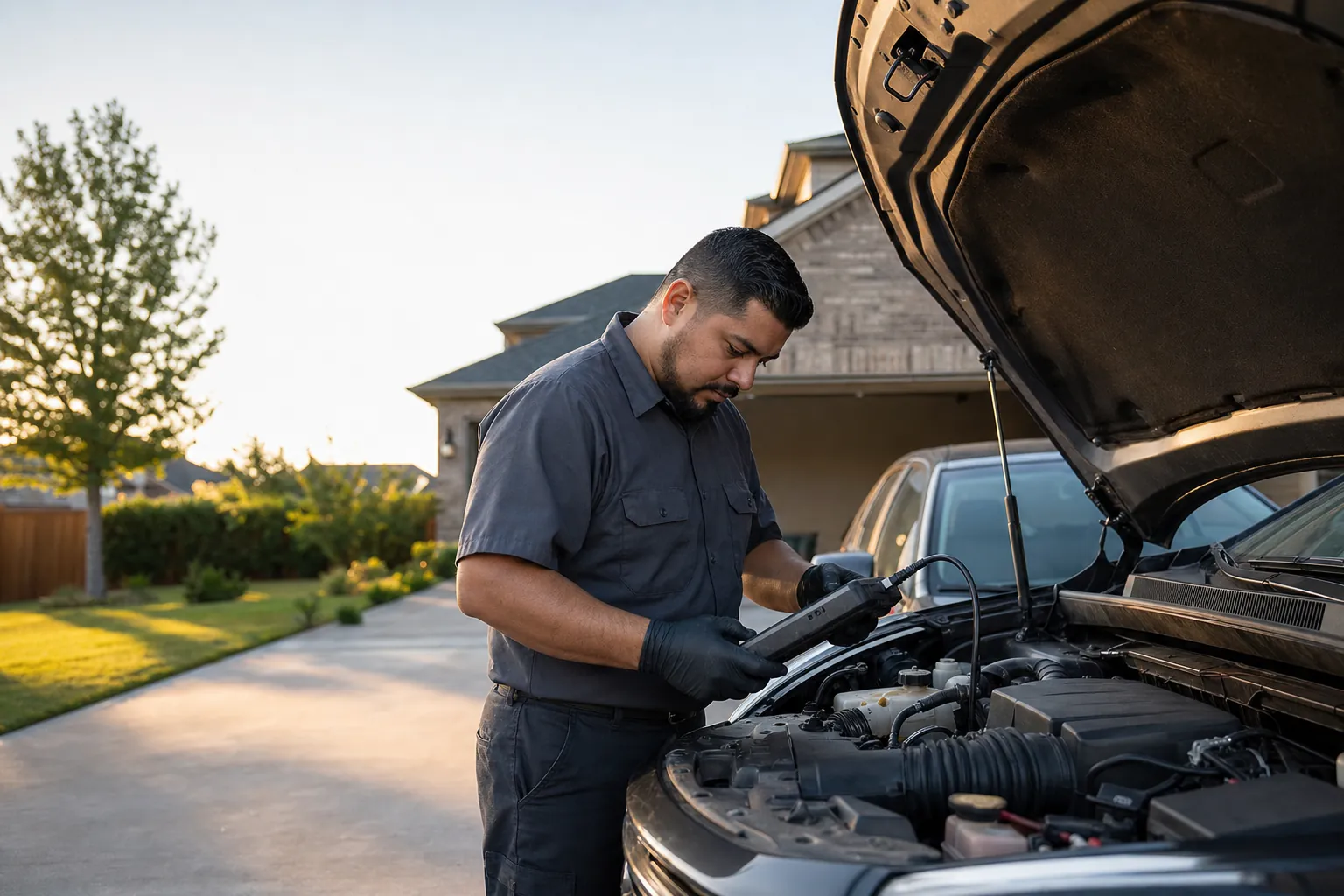
Are Mobile Mechanics Reliable? A Driver's Guide
How to choose a reliable mobile mechanic, what to ask before they arrive, and when a Dallas-Fort Worth repair shop is the safer choice.
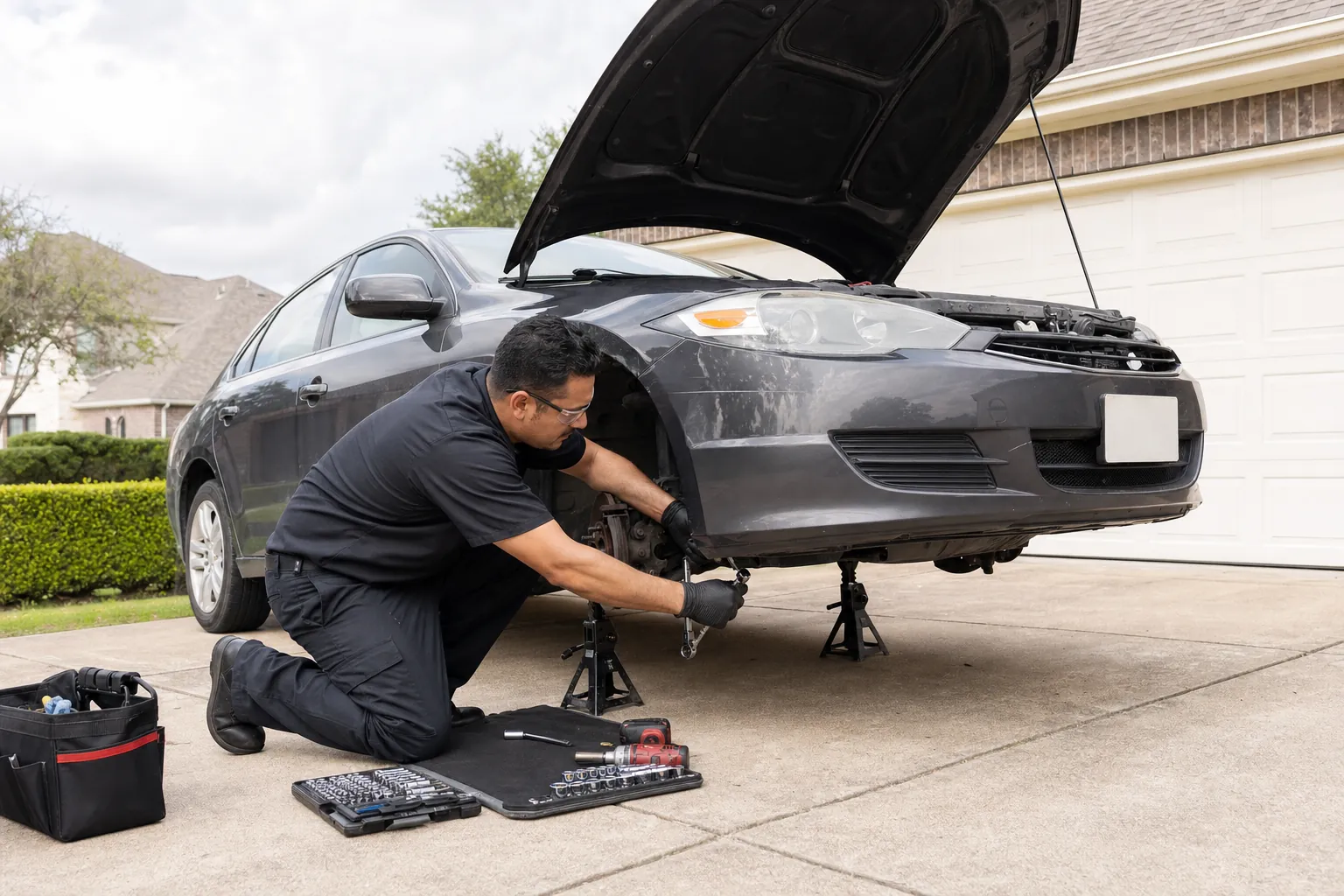
Can a Mobile Mechanic Replace a Starter?
When a mobile starter replacement makes sense, why testing comes first, and when a Dallas-Fort Worth repair shop is the better call.
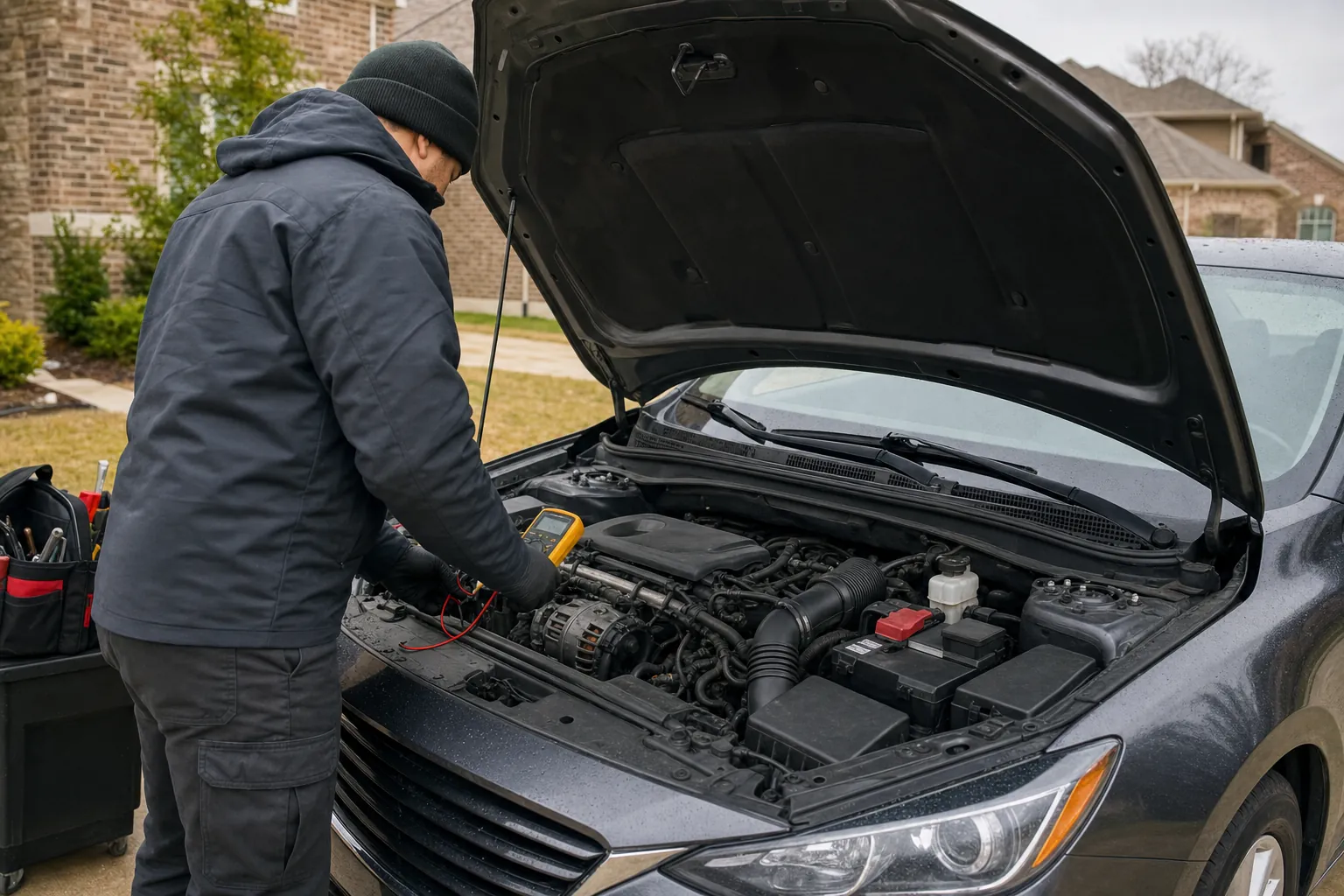
Can a Mobile Mechanic Replace an Alternator?
Yes, often. Learn when a mobile mechanic can replace an alternator at your home or work, when testing comes first, and when a shop is safer.
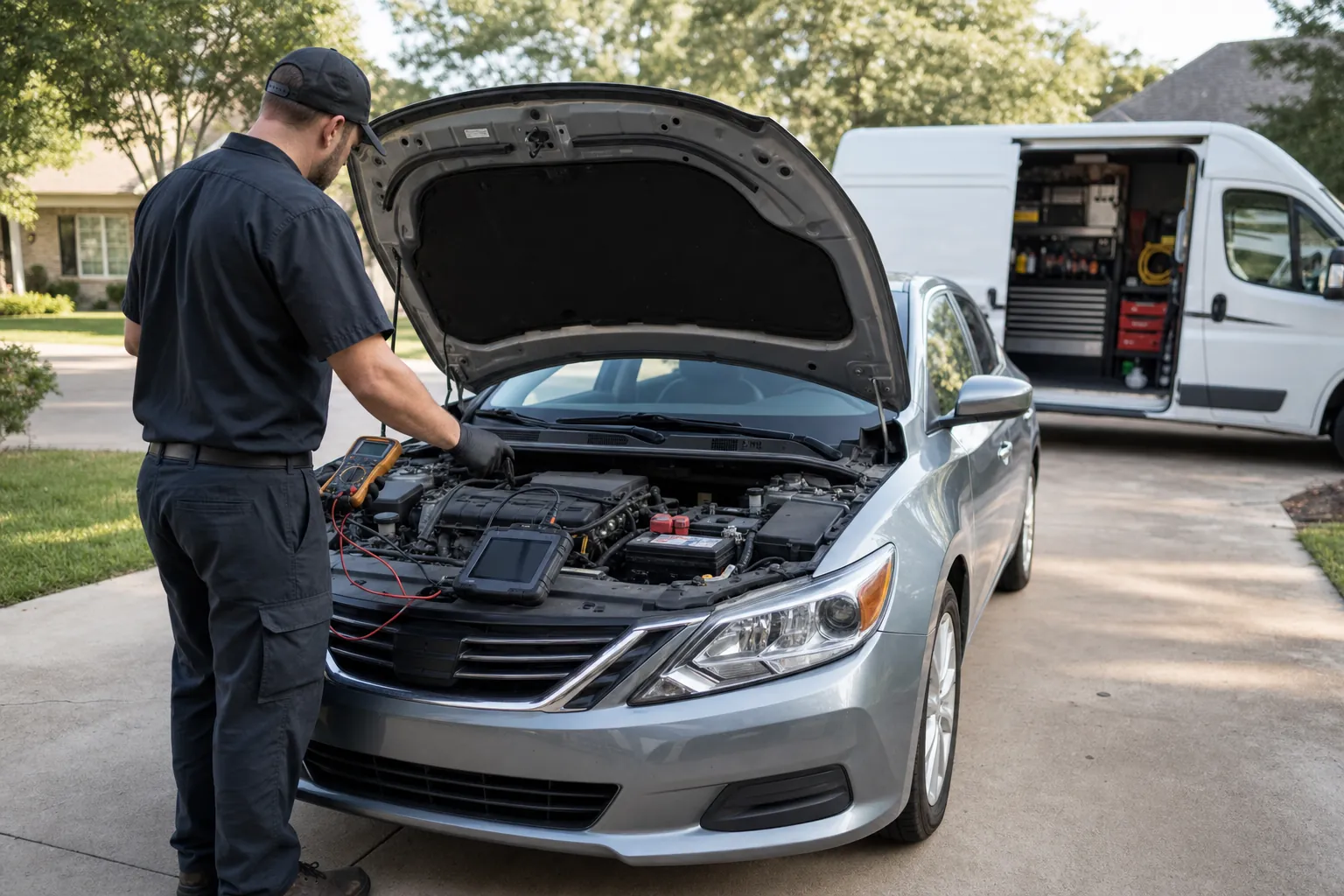
Car Won't Start but Battery Is Good? Next Steps
What to check when your car will not start but the battery seems good, plus when Dallas-Fort Worth drivers should book mobile diagnostics.
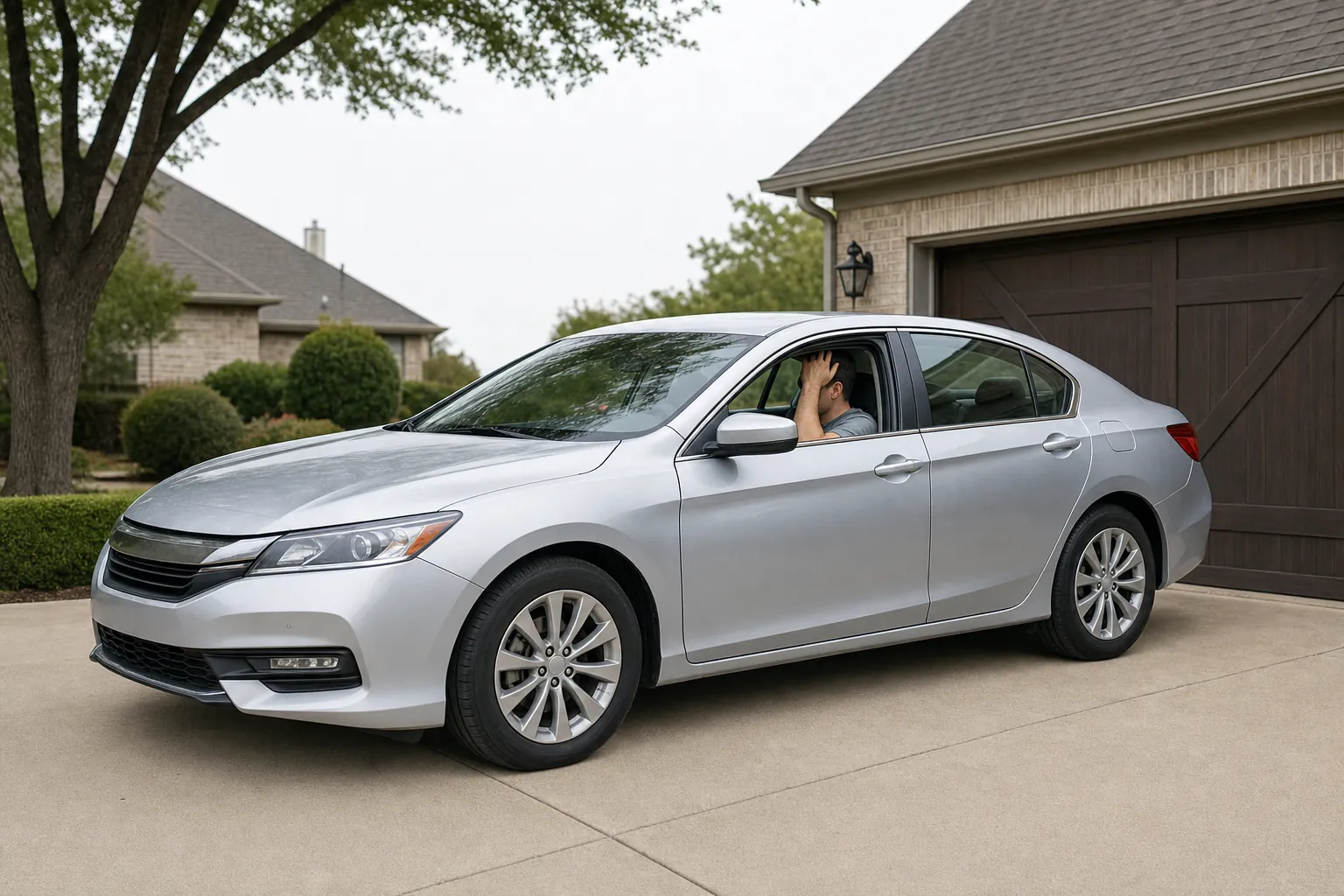
Car Clicks but Won't Start? What to Check First
Car clicking but not starting? Learn the safe first checks, why a bad starter is not certain, and when to choose $150 on-site diagnostics.
Car Won't Start After Getting Gas? What to Do First
If your car will not start after refueling, note whether it clicks or cranks, avoid repeated starts, and see when mobile diagnostics can help.
Car Cranks but Won't Start? Do This First
If your car cranks but will not start, stop repeated attempts, note the symptom, and choose diagnostics before buying a starter, battery, or fuel part.
Car Loses Power While Driving? Pull Over Safely First
Car loses power while driving? Pull over safely, note warning lights and symptoms, then book mobile diagnostics in Dallas-Fort Worth when the cause is unknown.
Car Starts Then Dies? What to Do Next
If your car starts and then dies, note how long it runs, avoid repeated starts, and learn when Dallas-Fort Worth mobile diagnostics are the right next step.
Car Won't Start but Lights Work? What to Do First
If your car will not start but the lights work, do not assume the battery is fine. Learn what the symptom means, what to note, and when to book diagnostics.