
Can a Mobile Mechanic Replace a Starter?
When a mobile starter replacement makes sense, why testing comes first, and when a Dallas-Fort Worth repair shop is the better call.
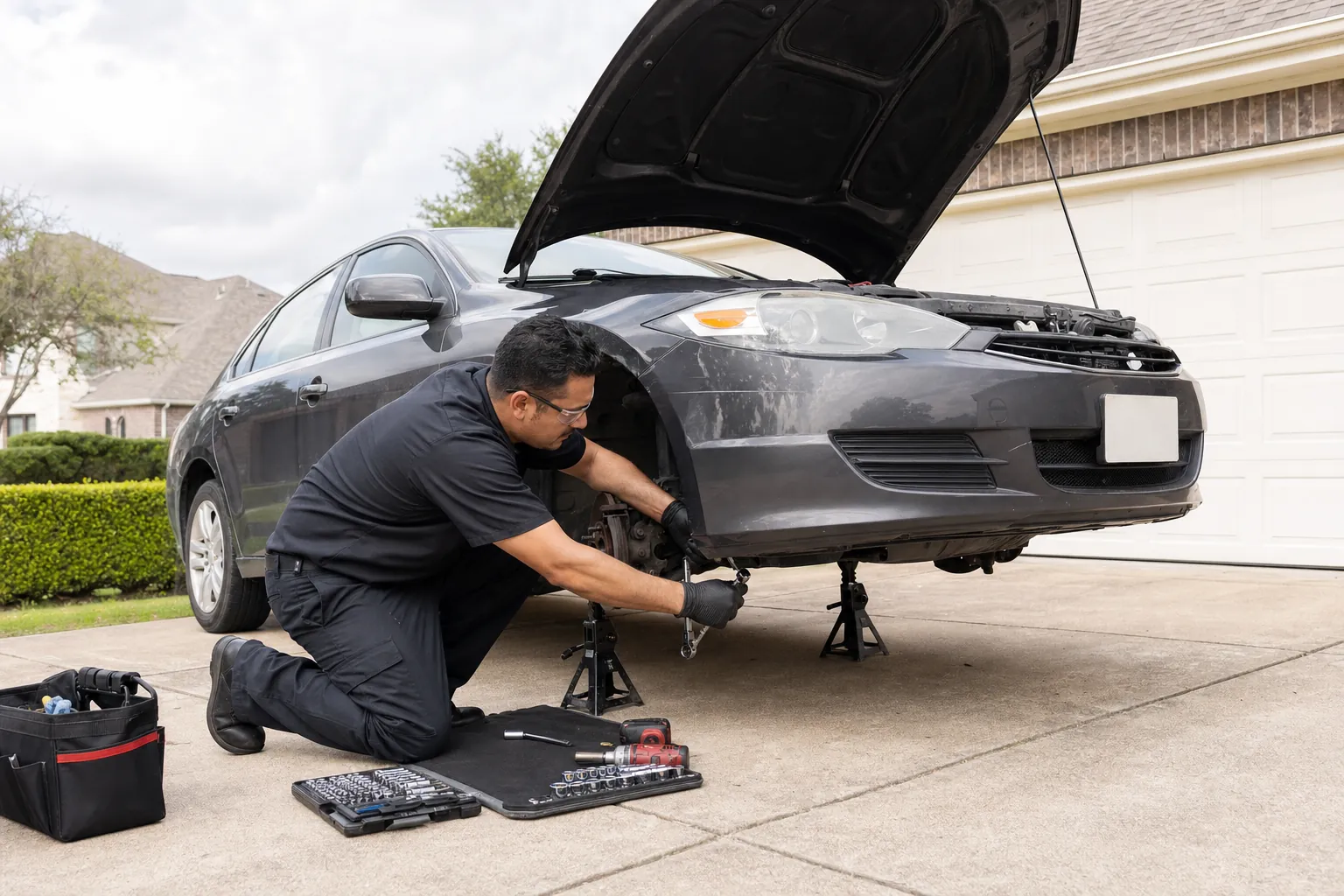
Yes, a mobile mechanic can often replace a starter where your car is parked. It is a common fit for on-site repair when the vehicle is safely accessible, the starter can be reached without major teardown, and testing confirms that the starter is the real problem. The important word is “confirms.” A click or a no-start does not automatically mean the starter has failed.
For Dallas-Fort Worth drivers, that matters most when the car is stuck at home, work, or an apartment lot. A starter, battery, alternator, loose terminal, blown fuse, bad relay, wiring problem, or security-system issue can all leave a vehicle unable to start. Replacing a starter without checking the starting system first can turn one repair into a second appointment and a bill for a part that was never needed.
Quick Answer
A mobile starter replacement is often possible, but only after the battery, cables, starting circuit, and symptom point to the starter itself. If the problem is unclear, start with testing.
What a starter does, and why similar symptoms can fool you
The starter is the electric motor that turns the engine over when you start the vehicle. When it cannot receive enough power, cannot make a solid electrical connection, or has failed internally, the engine may not crank. That makes it tempting to blame the starter every time a car clicks or stays silent.
But the starter is only one part of the starting system. A weak battery may have enough power for the lights and dashboard but not enough current to crank the engine. Corroded battery terminals can create the same symptom. A failing alternator can leave the battery discharged after driving. A fuse, relay, wiring connection, ground, neutral-safety switch, brake-pedal switch, or anti-theft issue can also prevent a normal start.
The practical point is simple: a no-start complaint is a symptom, not a parts list. Rise High's mobile electrical repair service is built around checking the systems that feed and control the starter instead of replacing the most obvious part first.
When a mobile starter replacement is a good fit
Many gasoline and hybrid passenger vehicles have a starter that can be reached from the engine bay or from underneath the vehicle with safe access. When the car is parked on level ground with space to work, a qualified mobile mechanic may be able to test the system, replace the starter, and confirm the repair without sending you to a shop.
It is often a strong option when the vehicle is stranded and a tow would add cost and delay. The job can make sense at a house, office, apartment lot, or other accessible location when the mechanic can work safely around the vehicle and the repair does not require a lift, long teardown, or a controlled indoor bay.
A known starter failure is the best-case scenario. For example, if the battery tests well, the cables and connections are sound, the starter is receiving the right signal and power, and the engine still will not crank, a starter replacement may be the right on-site repair. If the evidence is less clear, a diagnostic visit protects you from guessing.
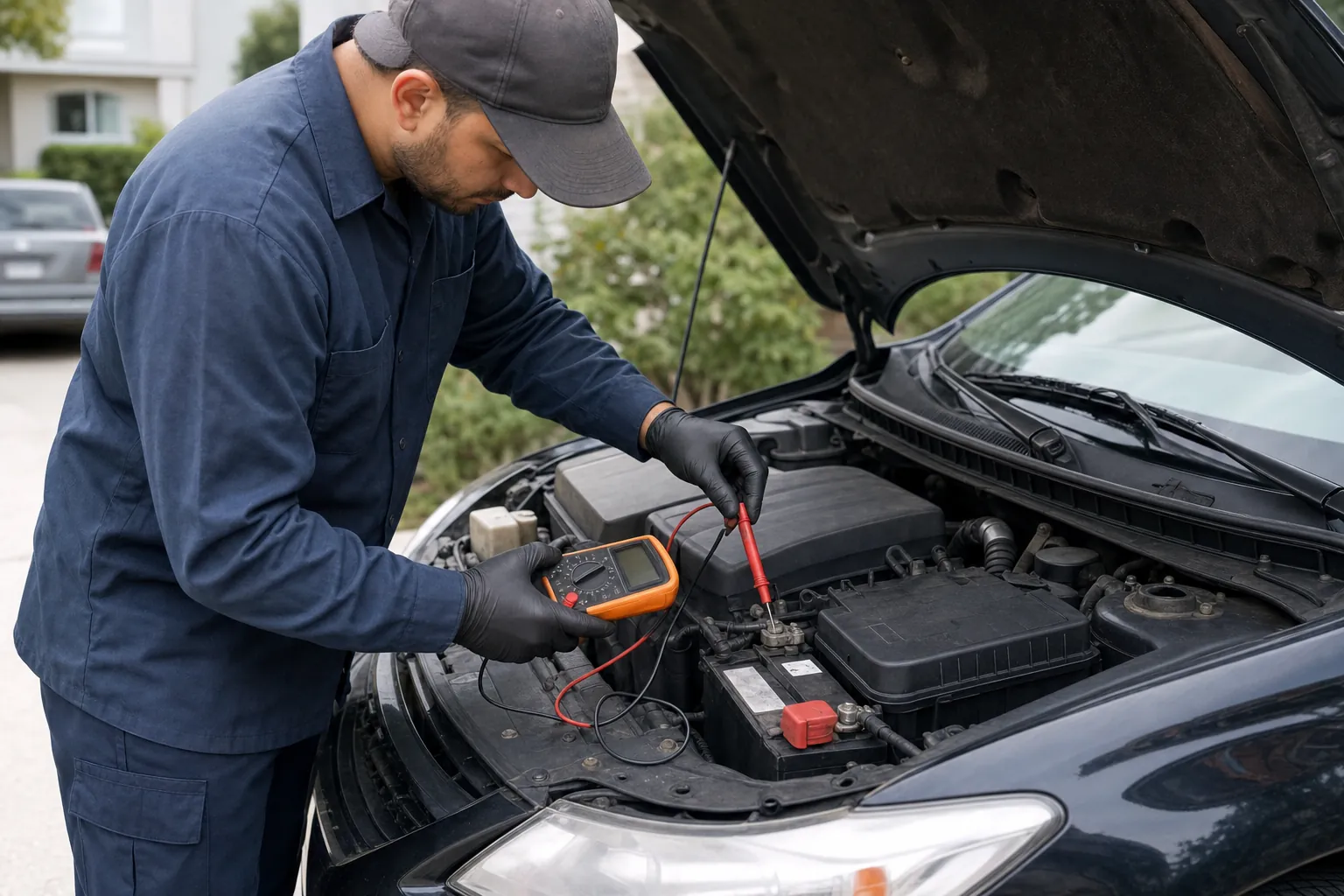
Why testing comes before a starter quote
Testing saves time when it rules out the common causes of a no-start. A technician may begin by checking battery condition and battery-terminal connections, then look for voltage drop, inspect fuses and relays, verify the starting signal, and test whether the starter is receiving what it needs. The exact steps depend on the vehicle and symptom, but the goal stays the same: prove where the starting system is failing.
That process matters because parts can be expensive, access can vary from one vehicle to another, and starter symptoms overlap with other electrical problems. A battery that was recently jumped, a vehicle that starts sometimes but not others, or a no-crank condition after a warning light may need more than a quick look. If the battery keeps losing charge, the underlying issue may be charging-system or electrical trouble rather than the starter itself.
That is useful practice for any no-start situation because the battery, charging system, cables, and starter work as a connected system. A mobile battery visit can solve the problem when testing points to the battery, while a diagnostic visit is the better first step when the cause is still open.
One click does not prove one failed part
A starter may be the problem, but a battery, cable, relay, or wiring fault can produce the same no-start complaint. Confirming the cause is cheaper than replacing plausible parts one after another.
Pay attention to what the vehicle does when you try to start it
The sound and behavior can help a technician decide where to begin, although it cannot replace testing. A single click or repeated fast clicks may point toward a power or connection problem. A slow crank can suggest a weak battery, high resistance at a cable or ground, or an engine that is harder than normal to turn. A normal cranking sound with no engine start usually sends the diagnosis toward fuel, spark, air, sensor, or security-system issues instead of the starter.
Intermittent starting is especially important to describe. If the car starts after several attempts, starts only when warm, starts after a jump, or acts differently when the shifter is moved, tell the mechanic. Those details can help distinguish a starter concern from a battery, cable, charging, switch, relay, or control issue. They also help avoid the frustrating situation where a vehicle starts once for the appointment but the original symptom has not been understood.
Do not keep trying to crank the engine for long stretches when it will not start. Repeated attempts can drain the battery and make the original problem harder to separate from a now-low battery. Give the technician the clearest version of the symptom you can, then let the starting system be checked methodically.
What affects whether the work can be done on site
Starter replacement is not identical from one vehicle to the next. On some cars, the starter is fairly straightforward to reach. On others, it may sit behind intake components, near the exhaust, under the vehicle, or in a tight area that turns a simple-looking repair into a major disassembly job. The vehicle's design, condition, and prior repairs all matter.
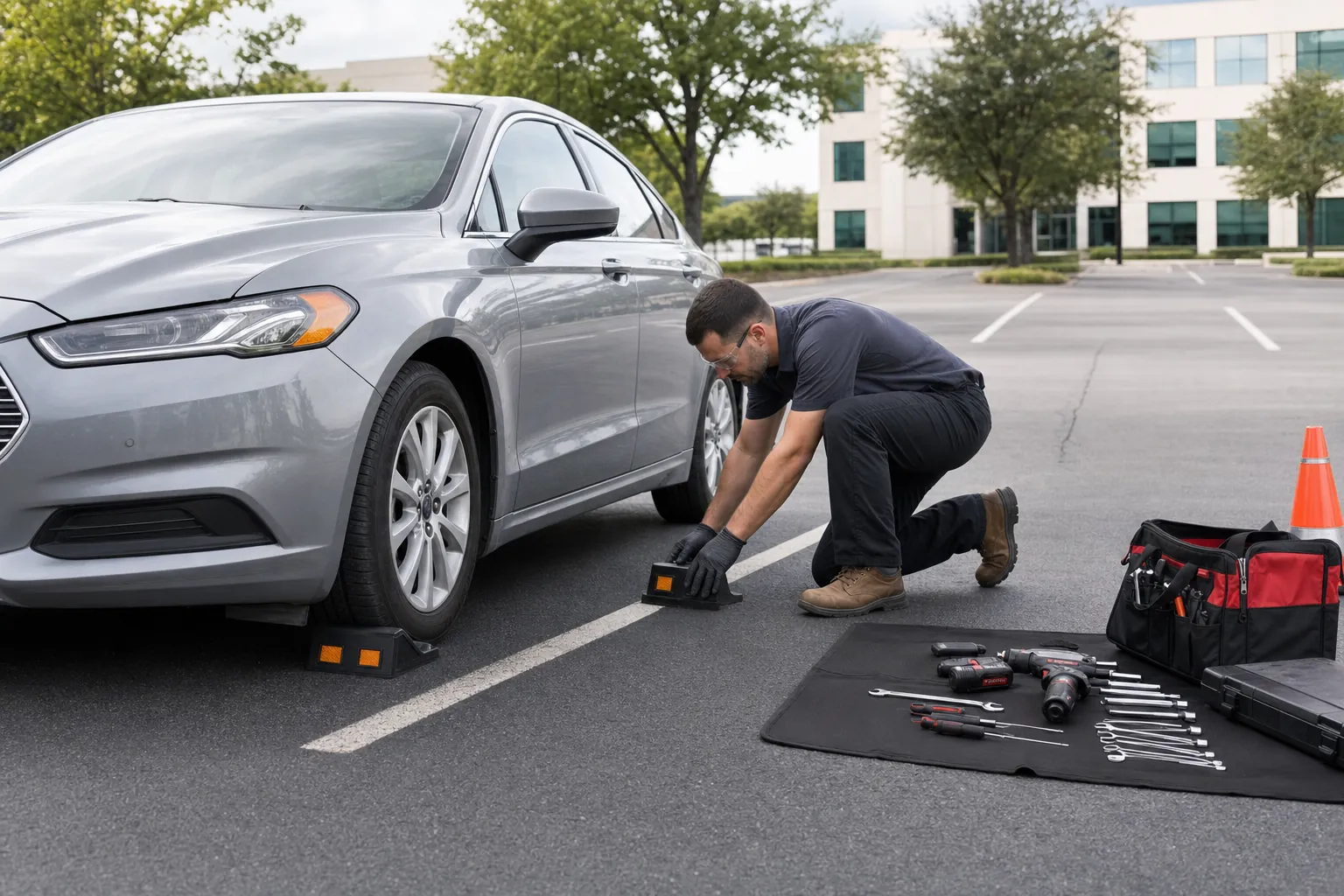
The work location matters too. A level driveway or open parking space gives the mechanic room to inspect the vehicle, position tools, and work safely. A steep driveway, crowded garage, busy shoulder, poor lighting, limited apartment access, or soft ground can make even a normally mobile-friendly repair a bad fit. Share those details before booking so the visit starts with the right plan.
Safe support is non-negotiable when access under the vehicle is needed. A professional should never treat a rushed roadside setup or unstable ground as normal. When the work area is not suitable, the right answer may be moving the vehicle, arranging a tow, or using a repair shop instead.
When a repair shop is the better call
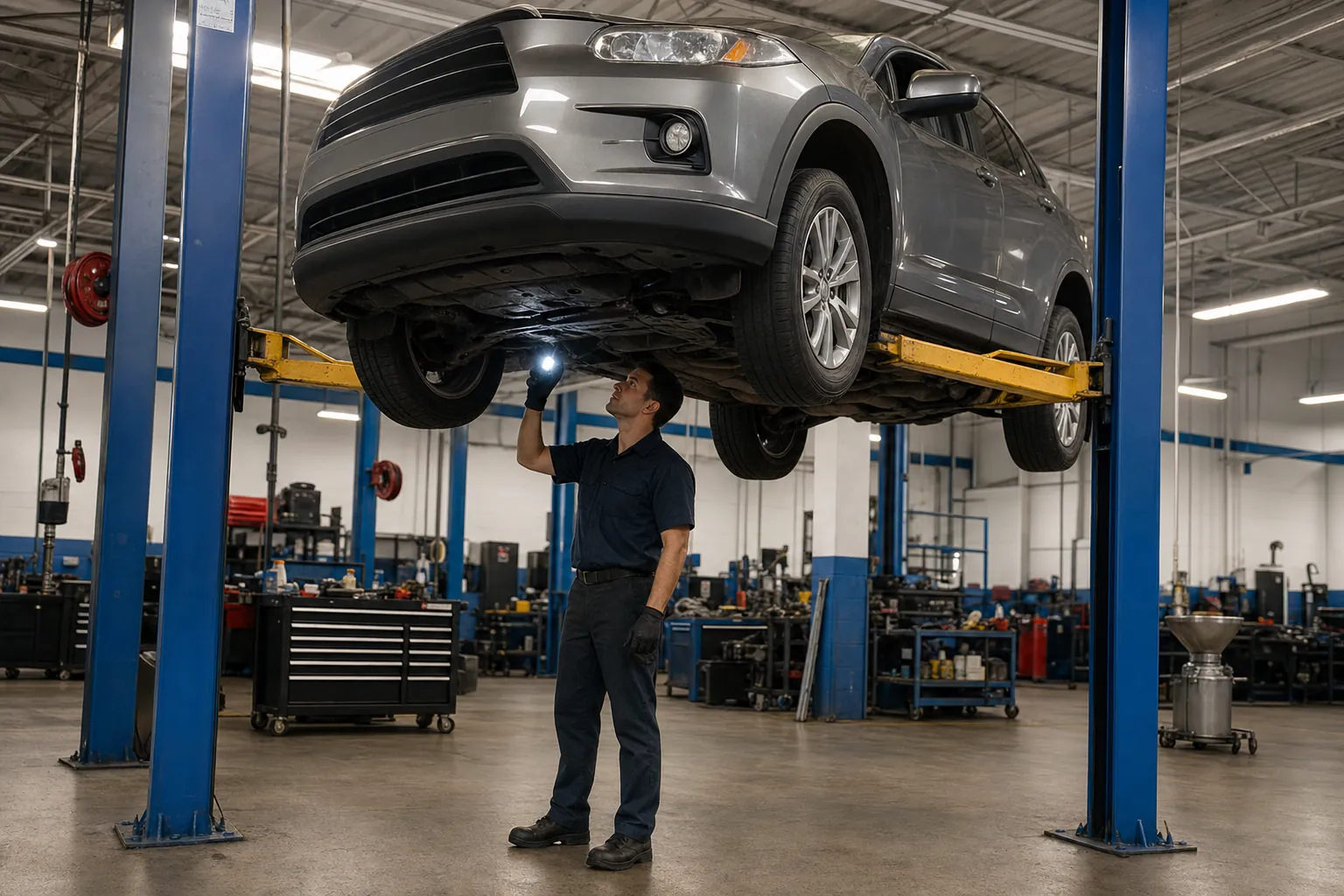
A shop is often the better choice when the starter is difficult to reach, the car needs lift access, or the repair opens into a larger problem. Major intake removal, extensive exhaust work, seized or damaged hardware, wiring repairs that require more tracing, and jobs that keep the vehicle apart for a long time are better handled in a full repair facility.
A shop may also be the safer option when the no-start diagnosis points beyond the starter. Engine mechanical problems, deeper wiring faults, module communication issues, or intermittent electrical failures can require equipment, information, and working conditions that are not practical at a driveway or parking lot. A good mobile mechanic will explain the boundary before beginning work, not after you have paid for an incomplete repair.
That honesty is a service to the driver. A mobile diagnostic visit can still identify the system at fault and make the next shop appointment more focused. The goal is not to force every repair into a mobile visit. It is to get the car fixed correctly with the least wasted time, towing, and duplicated work.
How to prepare for a mobile no-start visit
Give the mechanic the vehicle year, make, model, engine if known, location, and a clear description of what happens when you try to start it. Mention whether you hear clicking, whether the dash lights come on, whether the vehicle was recently jumped, whether it starts intermittently, and whether any warning lights or messages appeared. If you have recently replaced a battery, alternator, or starter, say that too.
Make sure the keys are available, the vehicle is accessible, and there is room around it. Let the mechanic know about parking rules, gates, apartment access, a garage, a steep drive, or any condition that affects safe access. You do not need to diagnose the car yourself. You only need to provide the details that help the technician arrive prepared.
- Tell the mechanic whether the engine clicks, cranks slowly, cranks normally but will not start, or stays silent.
- Share the year, make, model, recent repairs, warning lights, and whether the vehicle has needed a jump-start.
- Park on level ground with reasonable room around the vehicle when possible.
- Ask whether you are booking diagnosis first or a confirmed starter repair.
- Confirm what needs approval if testing shows a battery, cable, alternator, or other electrical fault instead.
Get the visit terms in writing
Before the work starts, make sure you understand whether you are booking a diagnostic visit or a known repair, what the visit fee covers, what part is being quoted, and when you will approve additional parts or labor. No one can predict every issue before inspecting the car, but the decision to expand the repair should never come as a surprise.
The Texas Attorney General's car repair guidance recommends written authorization before inspection, testing, diagnosis, or disassembly for an estimate. That is helpful protection whether the work is being done at a shop or where your vehicle is parked. Clear terms make it easier to compare your options and keep the repair focused on the confirmed problem.
How Rise High helps with starter and no-start problems
Rise High Mobile Mechanics helps Dallas-Fort Worth drivers with on-site diagnostics, battery and charging checks, starter and alternator concerns, electrical faults, brakes, and other mobile-friendly repairs for gasoline and hybrid passenger vehicles. If the vehicle will not start and the cause is unclear, the right beginning is a diagnostic visit. If testing confirms a starter failure and the work is safe for the location, a repair visit may be the next step.
For more detail on what a mobile visit can handle, read What Is a Mobile Mechanic?. If you are deciding whether the convenience is worth it, the guide to mobile mechanic and repair-shop costs explains how towing, diagnostics, travel fees, and shop-only work change the real price.
Check Your Starting System
Call or text with the vehicle details, location, and what happens when you turn the key. Rise High can help you choose a diagnostic visit or a confirmed repair visit.
Frequently asked questions
Can a mobile mechanic replace a starter at my home?
Often, yes. A starter replacement can be a good mobile repair when the vehicle is in a safe, accessible location and the starter can be reached without major disassembly or shop equipment. The mechanic should confirm the electrical fault and inspect the vehicle before promising the repair.
How do I know if my starter is bad?
A click, a no-crank condition, intermittent starting, or a dashboard that lights up without the engine turning can point toward a starter problem, but they can also come from a weak battery, poor cable connection, charging issue, fuse, relay, wiring fault, or security-system problem. Testing is the way to separate those possibilities.
Can a mobile mechanic test the battery and alternator too?
Yes. A proper no-start check can include battery condition, terminal connections, charging performance, starter-circuit voltage, relays, fuses, and related electrical checks. That helps make sure a starter is actually the failed part before it is replaced.
When should a starter replacement go to a repair shop?
A shop is usually the better choice when the starter is buried behind major components, the vehicle needs a lift, the work area is unsafe, heavy corrosion or damage changes the job, or the diagnosis points to a deeper electrical or engine issue. A good mobile mechanic should say so before starting the repair.
Related posts
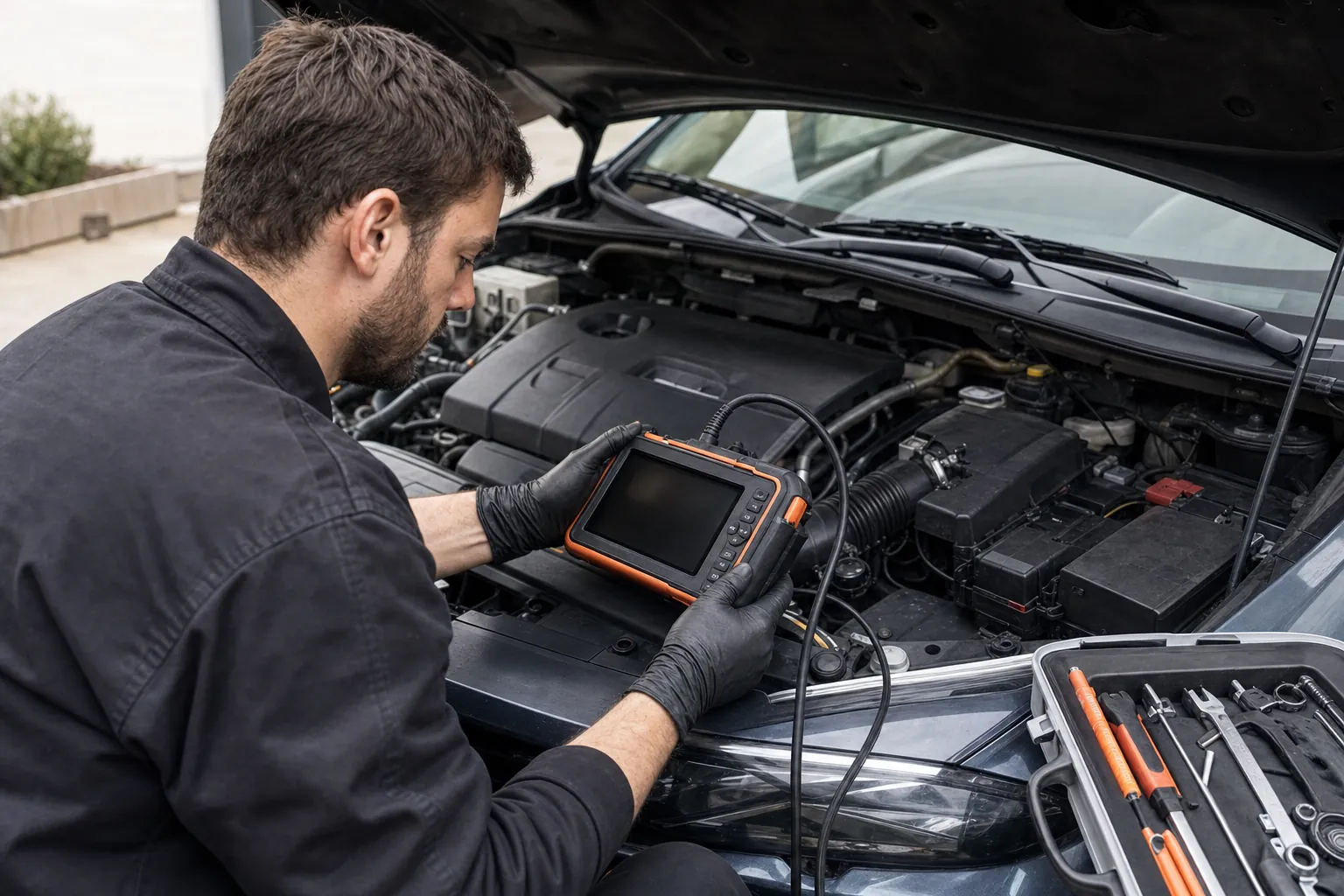
How Much Does a Mobile Mechanic Cost?
How much does a mobile mechanic cost in Dallas-Fort Worth? Rise High charges $150 for diagnostics and a $50 booking and travel fee for confirmed repairs, plus parts and labor.
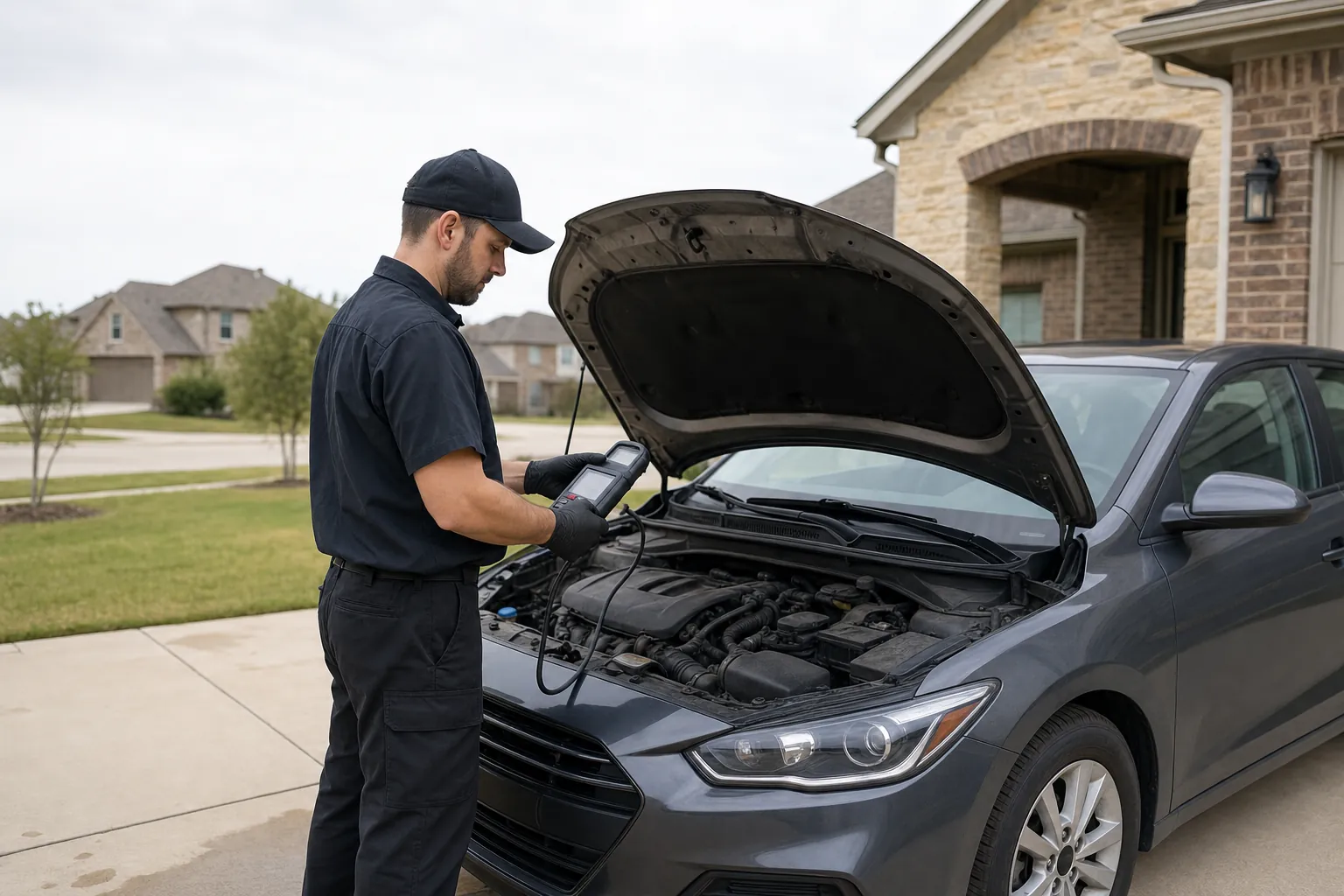
What Is a Mobile Mechanic?
A mobile mechanic comes to your home, work, or apartment for on-site diagnostics and repairs. Learn what they can fix and when a shop is better.
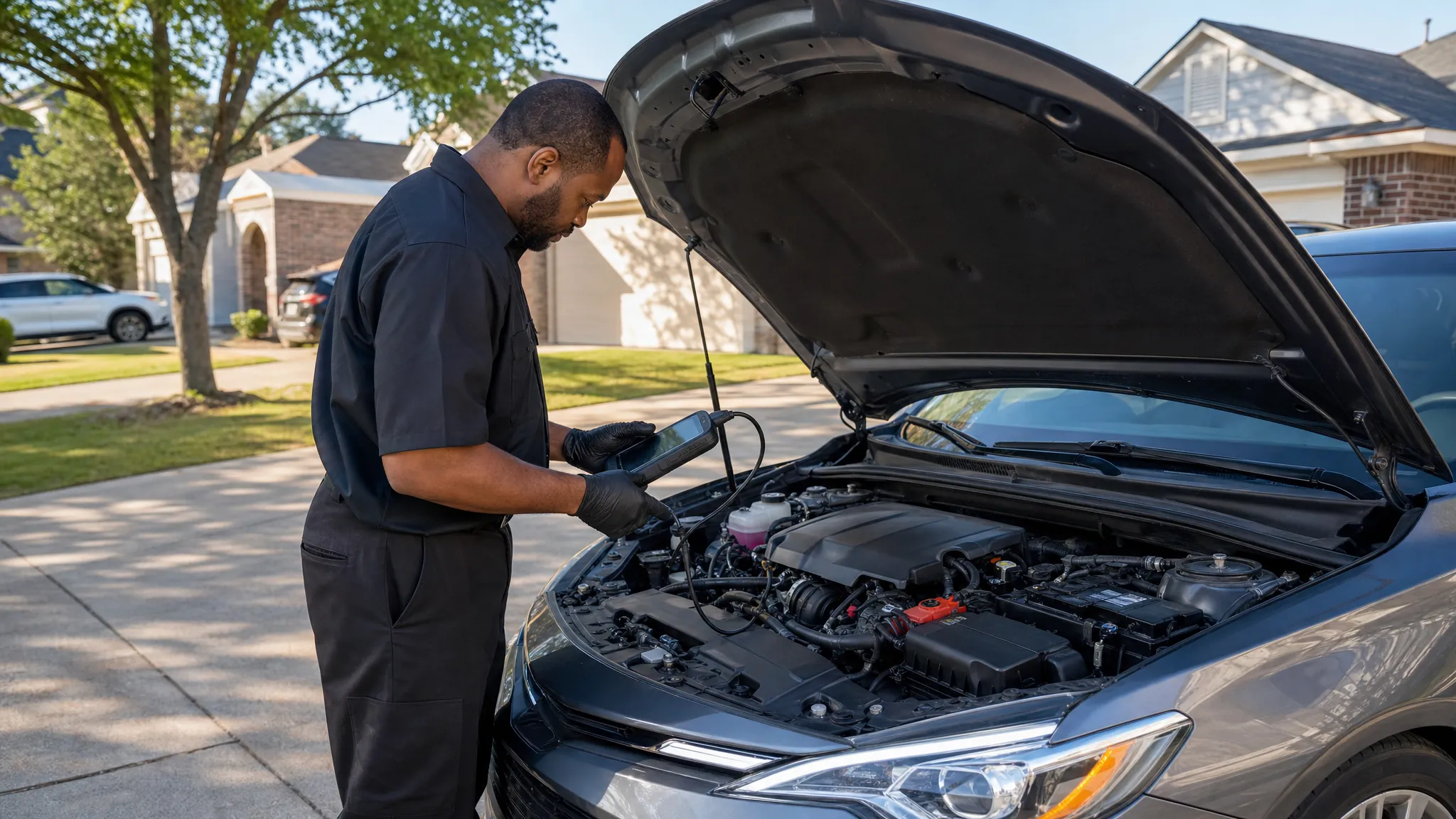
Are Mobile Mechanics Cheaper Than a Repair Shop?
Are mobile mechanics cheaper? Compare towing, travel fees, diagnostics, and Dallas-Fort Worth mobile mechanic pricing before you book.
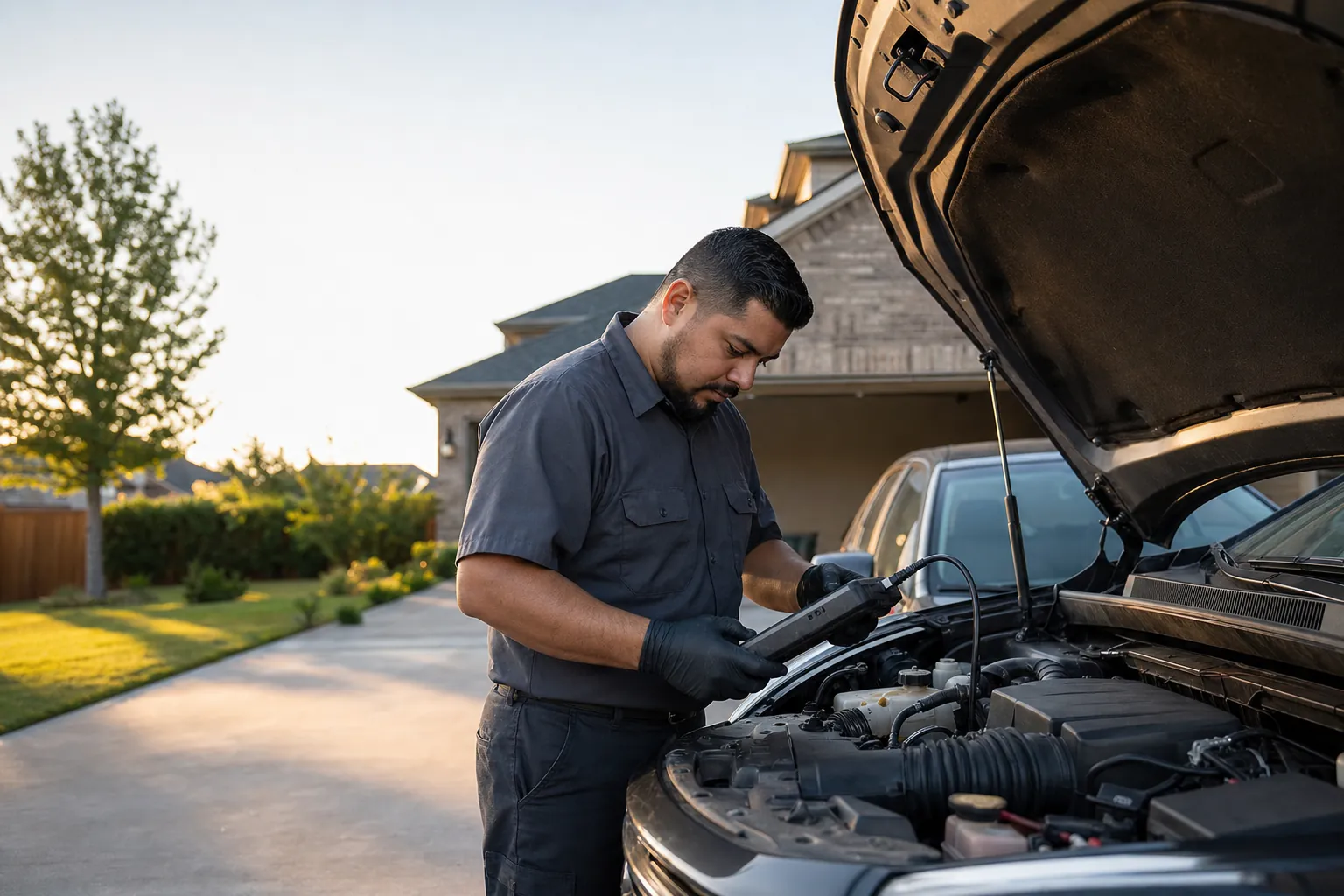
Are Mobile Mechanics Reliable? A Driver's Guide
How to choose a reliable mobile mechanic, what to ask before they arrive, and when a Dallas-Fort Worth repair shop is the safer choice.
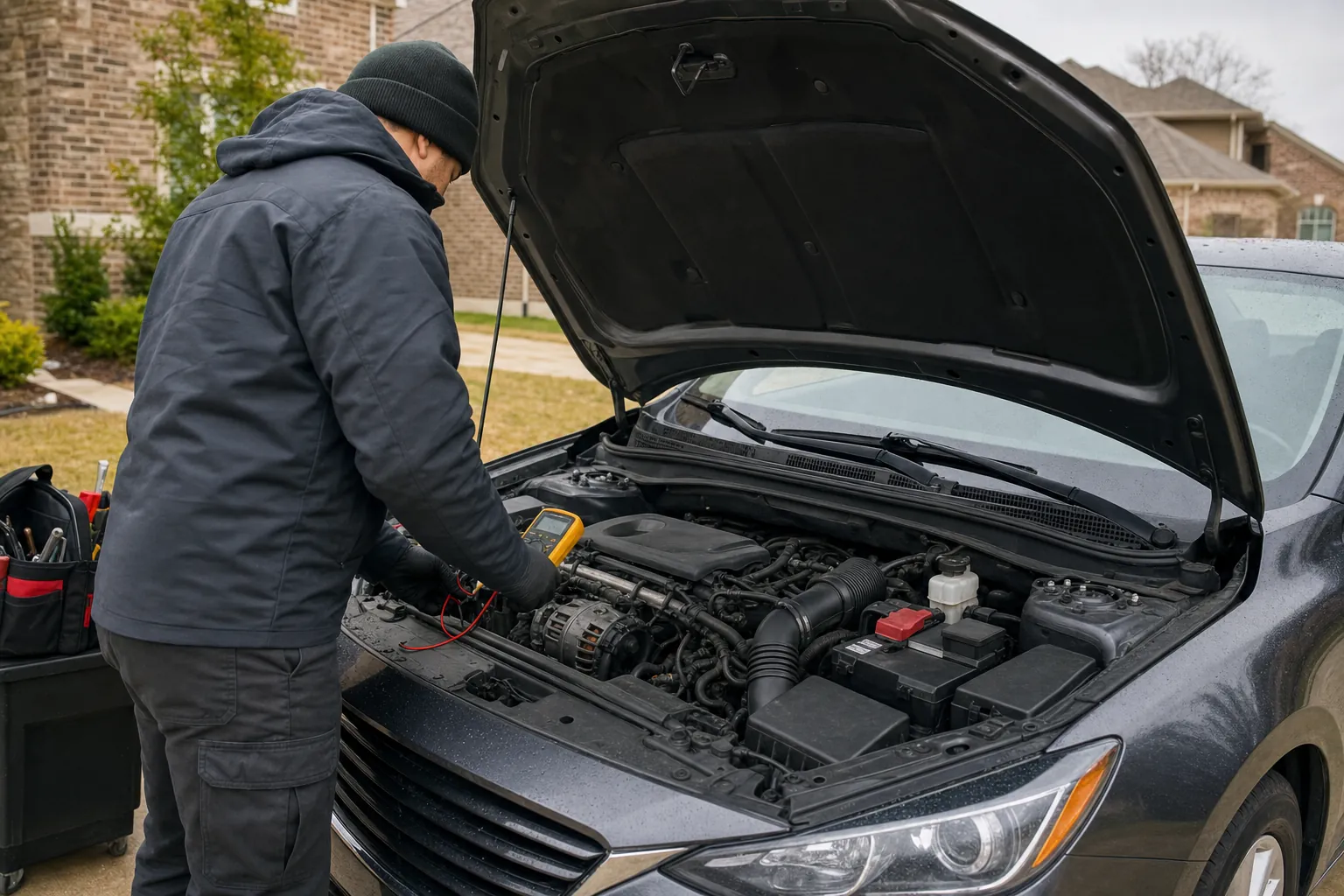
Can a Mobile Mechanic Replace an Alternator?
Yes, often. Learn when a mobile mechanic can replace an alternator at your home or work, when testing comes first, and when a shop is safer.
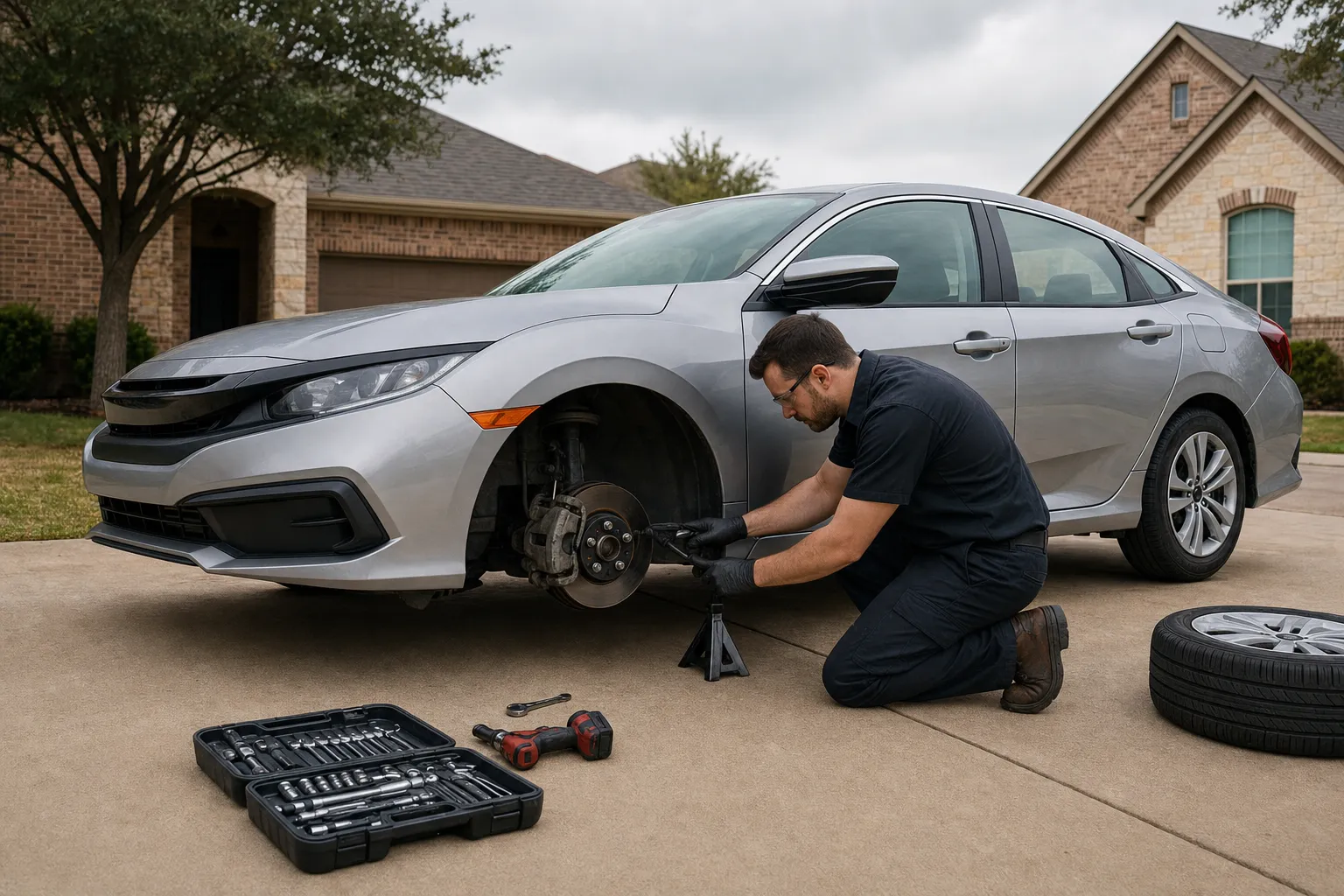
Mobile Brake Repair: What Can Be Done at Home?
What mobile brake repair can cover, when diagnosis comes first, and when Dallas-Fort Worth drivers should choose a repair shop.
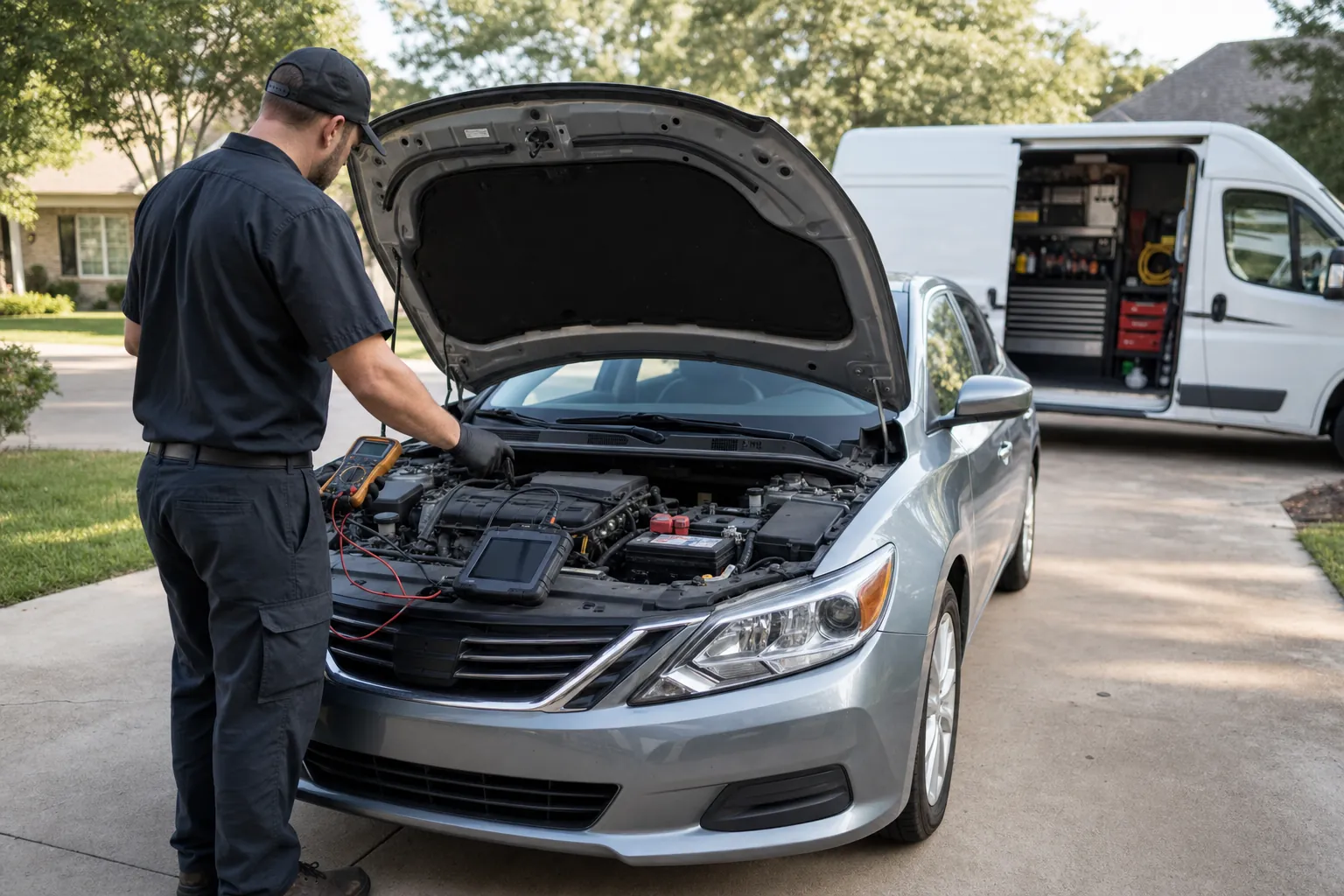
Car Won't Start but Battery Is Good? Next Steps
What to check when your car will not start but the battery seems good, plus when Dallas-Fort Worth drivers should book mobile diagnostics.
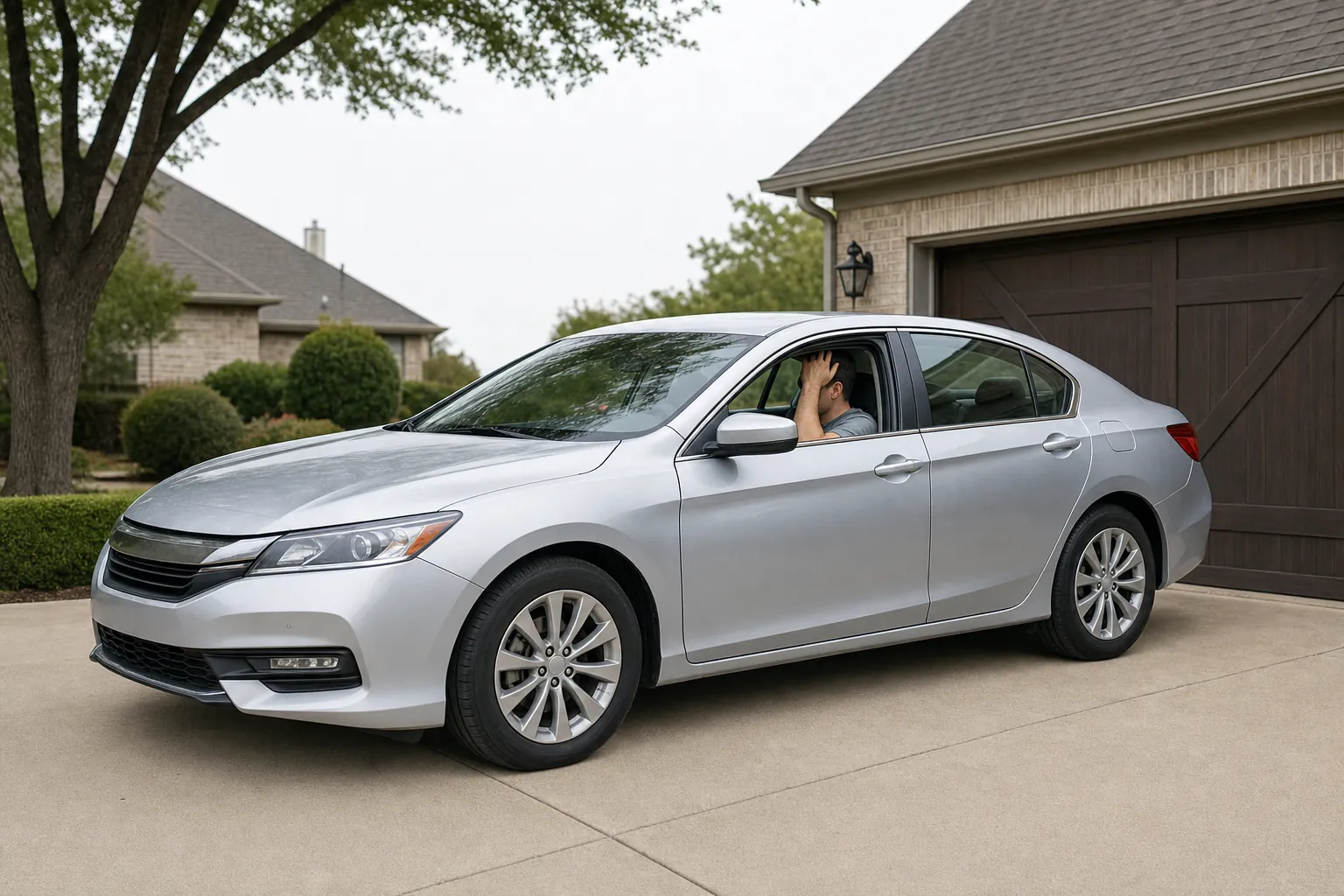
Car Clicks but Won't Start? What to Check First
A car that clicks but will not start may have a battery, cable, starter, relay, or safety-switch problem. Learn what the sound can tell you before booking service.
Car Won't Start After Getting Gas? What to Check
A car that will not start after getting gas can be a coincidence or a fuel-vapor issue. Learn what to note, what not to do, and when diagnostics make sense.
Car Cranks but Won't Start? What to Check First
A car that cranks but will not start needs a different diagnosis than a no-crank problem. Learn what to note, what to avoid, and when to book mobile diagnostics.